Australia experiences seasonal causes of blocked drains that are for the most part seasonal and predictable. You can count on tree roots, garden detritus, fallen leaves, heavy rain, cooking waste and old pipework to present themselves. But some forethought will see off an expensive shock at an inopportune time and keep the drains from running slow or overflowing.
Having made the move from Milwaukee to Hobart I have found that the weather in this country has a way of altering one’s household agenda. One week it is leaves to be put out of the way, the next you are looking at the driveway as the rain makes an inland sea of it. My name is Gideon Harrison and in this guide I set out what 2026 holds in the way of blocked drains for Australians, where homeowners make their errors and the point at which to call in a plumber.
An Explanation Of Seasonal Drain Problems
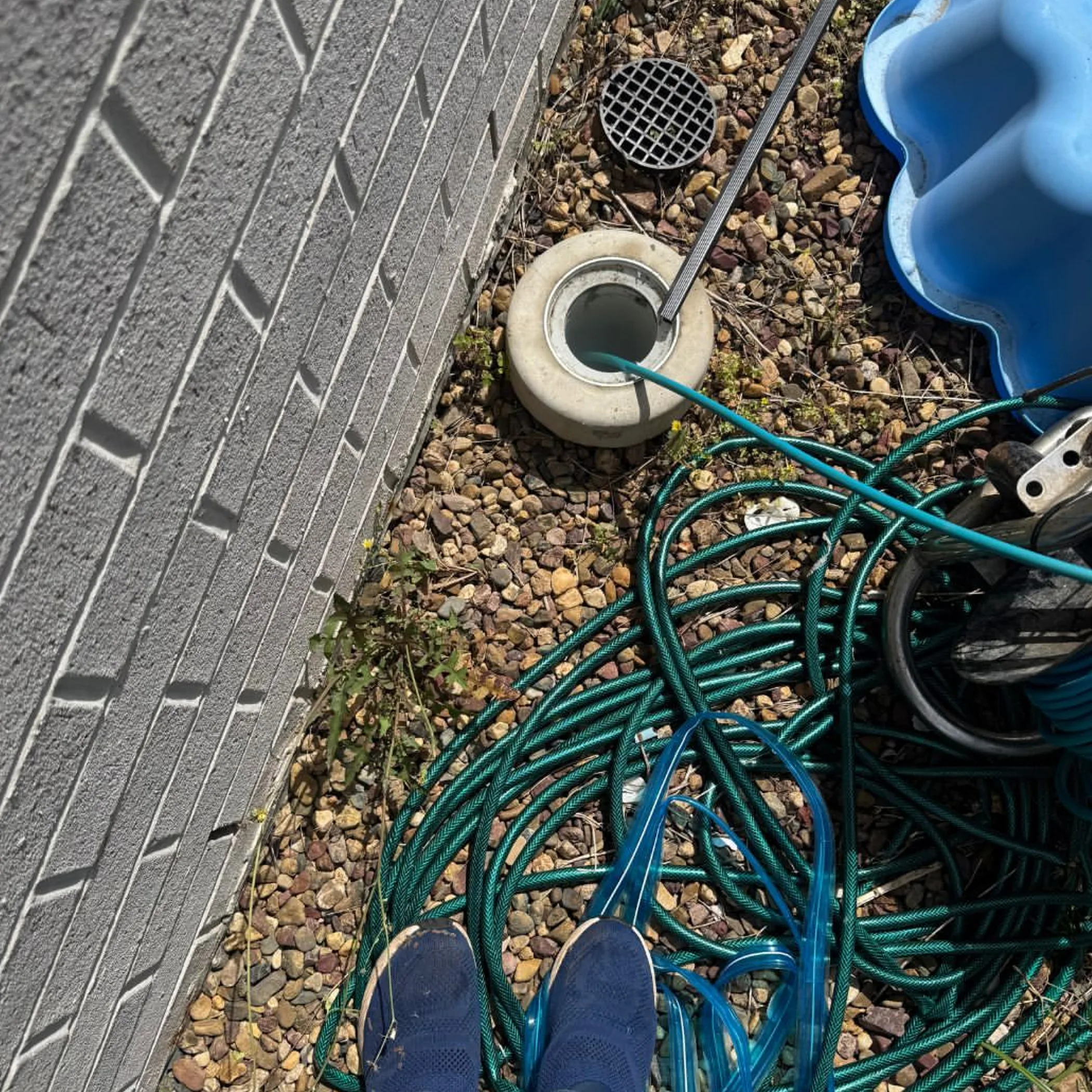
It is a combination of pipe condition, the elements, vegetation and how a house is run that leads to blocked drains here. The season dictates the material that gets into the system and the force of the rainfall tells if the network is up to it. Understanding sewer stormwater blockage differences can help identify the source.
A drain that is fine with normal flow might give way under a downpour, a big family lunch or in the wake of some garden work. The blockage could be fresh but in all likelihood the warning signs were there weeks before.
Household Habits And Weather
Indoors you have fats, oils, hair and soap residue making their way down the drain; outdoors it is a matter of twigs, mulch, soil and other debris. Put those together with sediment or grease and restricted flow and the pipe is left with little room for water.
Conditions differ from place to place. Sydney and Melbourne will have their periods of hard rain and leaf fall, the Gold Coast is subject to sudden storms, while in Tasmania cold and saturated ground put strain on ageing infrastructure. Up north the wet season and cyclone alerts from November to April are enough to test any stormwater system.
| Season | Common Blockage Material | Where it is most likely | First course of action |
|---|---|---|---|
| Winter | Root movement, soil, sediment and heavy rain | Gutters, outdoor pipes and stormwater | Prior to any major rain, inspect overflows and clear the grates |
| Spring | Garden waste, mulch, blossoms and roots | Older sewer and yard drains | Give the tree-lined areas a look and do not let garden waste near the grates |
| Summer | Grease, food scraps, fats and oils | Outdoor entertaining spots, grease traps and the kitchen sink | Scrape plates and wipe down pans first |
| Autumn | Leaves, gutter debris and twigs | Pits, downpipes and stormwater grates | Make a habit of taking the leaves out so the rain does not pack them in |
Then there is the simple math: 1 mm of rain on a square metre is roughly 1 litre of water. A short storm can mean thousands of litres coming at the gutters from a sizeable roof. For the official word on severe weather and rainfall in Australia, the Bureau of Meteorology has its climate information and resources on hand.
How Winter Rain Will Test Your Drains
The trigger may be the volume of rain, but the underlying issue with a winter blockage is often something else entirely. A loose joint, a damaged underground section of pipe or a layer of sediment have been chipping away at capacity.
If the rain comes in faster than the system can take it, even a small impediment will result in pooling. It is not much fun to be out in the rain with a blocked drain and a torch, and the mozzies will think of it as a form of free catering.
Weak Points Are Found By Rain
Stormwater from the garden, paths, driveways and roofs is channelled through the drains. Given enough rain, soil and dirt will wash in and then twigs and bits of leaf will snag on it to form a plug.
There is also the matter of ground movement unearthing a defect. A cracked pipe or a joint that is not tight lets soil in. On some properties tree roots will make use of such an opening and slowly constrict the pipe.
The mistake is to think a drain is in good order because it has cleared post-storm. Water can make its way around a partial obstruction, but that is no proof the problem has gone.
Winter Warning Signs
Some things to be on the lookout for in winter are dampness by the outdoor pipes, gurgling from within the home (a sign of poor airflow or a sewer issue) or water building up round a grate. If the same spot keeps overflowing, take note. And when water is running fast, do not go about removing heavy covers or wade into flooded pits. There are electrical dangers, sharp debris and even sewage in floodwater. Should water make its way to any electrical equipment, the course of action is to put some distance between yourself and it and call a qualified professional or the emergency services.
Spring Growth and the Blockages it Brings
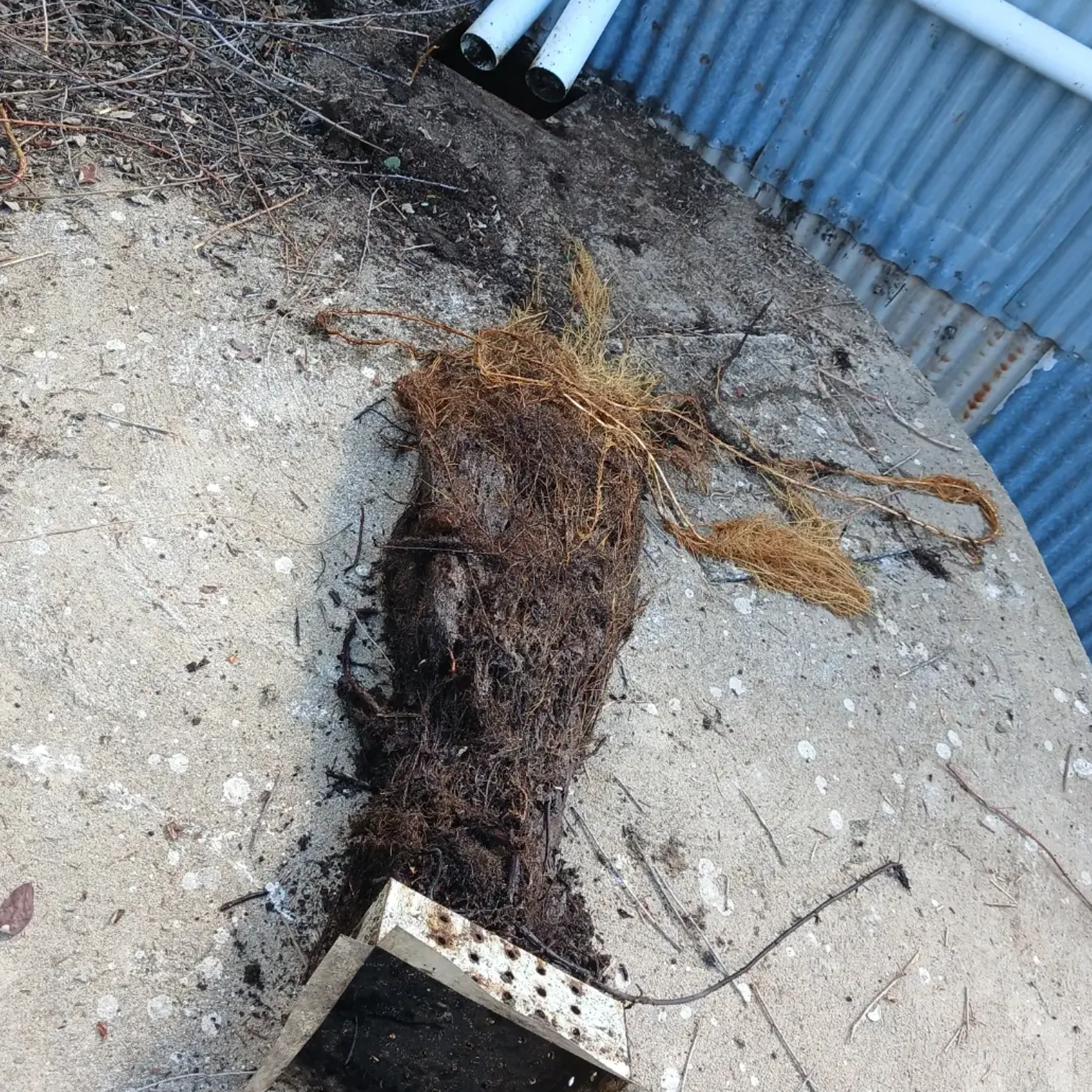
It is not uncommon for spring drain blockages to be the result of garden growth and the subsequent clean up. With new roots, grass clippings, mulch, loose soil and blossoms making their way to drainage points, one has to be wary, especially on a garden that is sloped to the house.
One may think spring is as good a time as any to put order to things, and in a way it is. But do not let the wind persuade you that a stormwater grate is a compost bin into which to put a heap of garden waste.
Roots Will Find Water
Where there is a crack or gap in a pipe, or a joint is not tight, tree root intrusion is a possibility. A root does not require much of an opening to get started; it will find a weak spot in a joint and work its way down the line, ensnaring paper, sediment and grease.
In parts of Tasmania or the Eastern Suburbs, as well as Sydney, Melbourne and the Gold Coast, properties with mature trees in the vicinity would be well advised to watch for this. The presence of a tree is not in itself evidence of a root problem though.
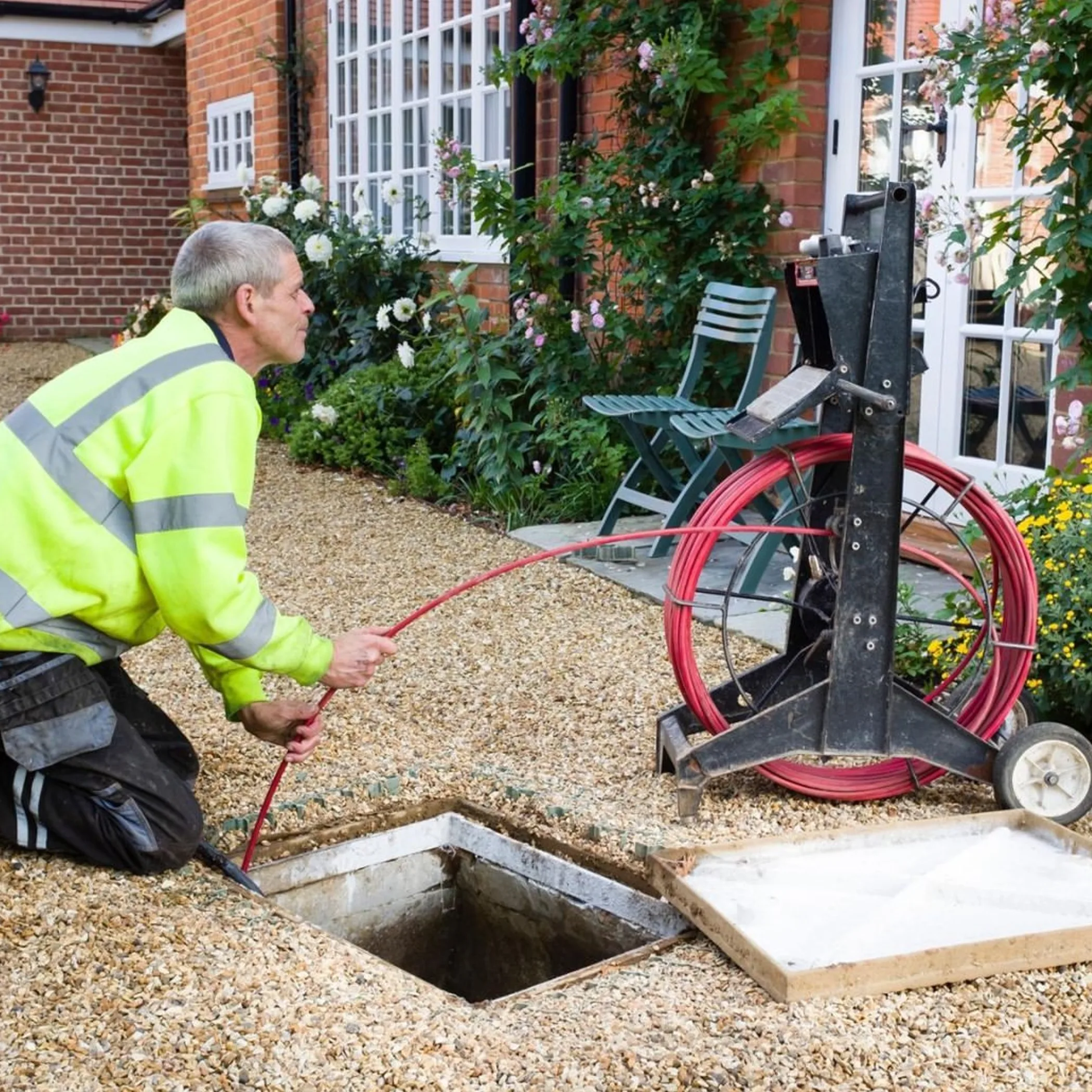
A plumber with a drain camera can put an end to the guesswork from the surface when a drain has a habit of clogging every few months. He can see what is there: roots, foreign material or a collapsed section.
Mistakes in the Garden
Before sweeping the paths, put your garden waste in a bag. Make sure downpipes are discharging where they should and not sending soil to a grate. Mulch and leaves have no place at a stormwater grate.
I was taken aback in Hobart by how fast fine soil made its way after a brief shower. To all appearances the surface was in order, but under the grate was a solid brown plug. It was a reminder that just because things look neat above ground the pipes below are not necessarily clear.
The Demands of Summer Cooking
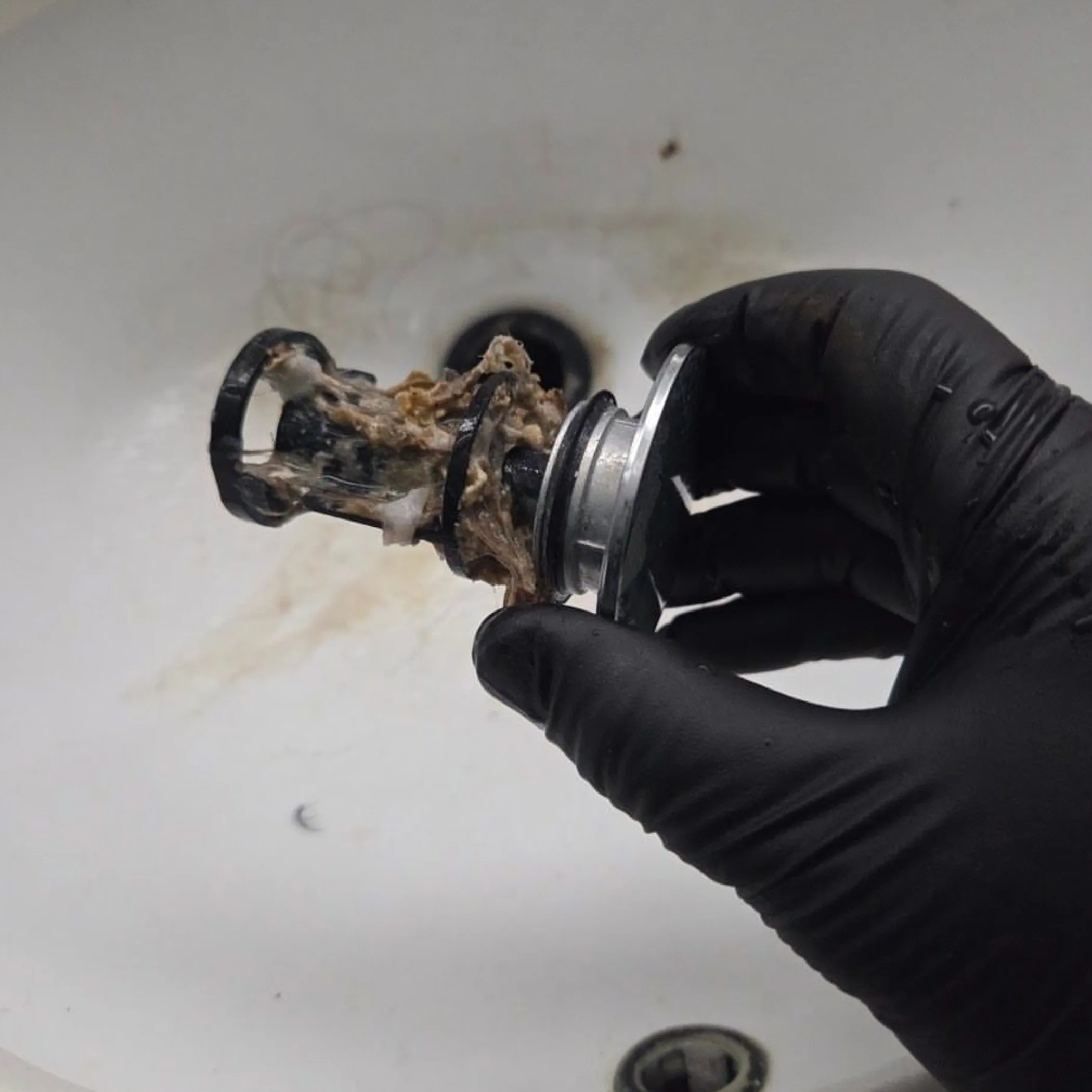
For the most part summer kitchen blockages are put down to what goes on in the home and not the weather. An ordinary week does not yield the same quantity of greasy plates, food scraps and fats as a long lunch or barbecue. Hot water will displace the grease for a while but does not expel it from the system. Once it cools the material will adhere to the pipe and pick up other waste.
Kitchen Waste is a Slow Build Up
Cooking oil, pan fat and the like should not be put down the sink. Allow them to cool and put them in a container for the local council to take care of. Give an oily pan a wipe with some paper before putting it in the wash.
Grease and food scraps are a recipe for trouble. Coffee grounds, fibrous vegetables, rice and pasta will clump or swell in the pipework. What is deceptive is the absence of any drama; a sink will seem to be draining fine for days as the grease accumulates. Then comes a busy gathering and the first indication is sluggish drainage and perhaps a gurgling or odour.
Risks of Entertaining Outdoors
Open grates can be the recipient of bottle labels, ash, disposable wipes and so forth when one is entertaining outside. Put the bins where rain and wind cannot get at them. And do not put barbecue grease in the yard or driveway to be carried off in runoff to the stormwater. That is not the sewer and it calls for a different approach.
Leaves in Autumn
A seasonal problem such as clogged drains from autumn leaves is easily avoided. Rain makes the leaves in the gutters, pits and downpipes stickier and heavier.
Pressure cleaning is counterproductive if it is only going to force dirt and leaves into a drain. You could have a perfectly presentable driveway and still have a blockage a few metres off.
Gutters are part of the system
When gutters are blocked they can run over onto walls and foundations. Leaf matter from the downpipes can then get into the underground stormwater lines and mix with sediment.
Have the gutters and grates done before the rain is due, if there are trees overhanging the roof. Do not go up on a wet roof, use the right equipment for access. If ladders are not stable or there is electricity nearby, leave it to a contractor.
Be judicious with pressure cleaning
By hand, put the solid debris in a bag or bin. As for the pressure washer, aim the dirty water away from any open stormwater grate. Do not be under the impression that a powerful hose has fixed matters, it could have simply pushed the obstruction along.
Water that will not be put down after a thorough cleaning is often indicative of sediment, a pipe in need of repair or some other restriction. Do not expect to fix what is under ground with more surface cleaning.
Sewer And Stormwater Systems
One should be able to tell the difference between a sewer and a stormwater blockage for the sake of safety and to know whom to put in touch with. In normal course, the former will have wastewater from the kitchen, toilet and bathroom running through it; the latter is for rainwater coming off roads, roofs and the like.
There is a reason for making this distinction: the way one goes about a repair, the access point and who is in charge can all be different. An overflowing stormwater grate in the rain is a far cry from a toilet backing up on a dry day.
Identify The Likely Source
Toilets that are rising, gurgling from the pipes, dirty water in the lower fixtures or an odour of wastewater are all possible outcomes of a blocked sewer drain. Cease use of any fixture if you see wastewater backing up. With a blocked stormwater drain the signs will present themselves at the time of or in the wake of rain; look for grates that are overflowing, water on the driveway or spilling from gutters even though the roof channels are clear.
Where a blockage seems to be in the public domain, get in touch with your council or the water authority. While private owners are on the hook for drainage on their own property, the authorities handle the public sewer infrastructure, though local rules and the point of connection will dictate responsibility.
Prevent Blockages Each Season
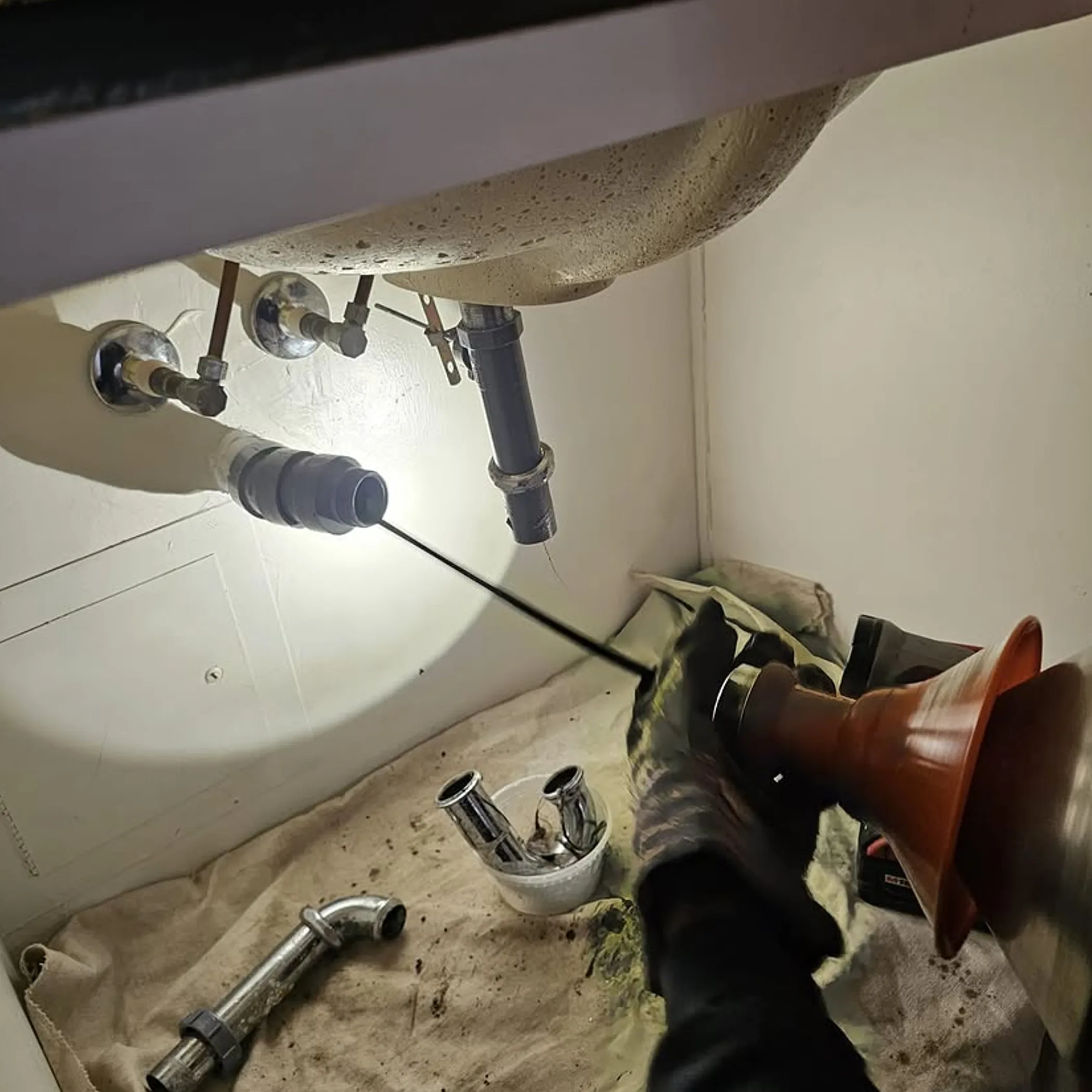
Most of the drain maintenance done in Australia is routine, performed before the weather makes it an emergency. A little inspection every season will show you where the debris and poor drainage is before it is an overflowing mess. It is also good for saving time; one would rather have daylight to clear a grate than be in thongs at 10 pm trying to figure out why the yard is flooded.
- Clear visible sediment, downpipes and outdoor grates ahead of winter.
- Come spring, do not let mulch, grass clippings or soil near the drains.
- Summer is when to keep food scraps and fats from the kitchen pipes.
- Autumn calls for checking downpipe outlets and raking leaves before the rain is due.
- After a big storm make sure there is no pooling and that covers and connections are intact.
Put down in writing any recurring trouble – the location, symptoms, repairs made and what the weather was like. It can show a pattern, say a blockage after each major storm, and gives the plumber something to go on.
Know When To Call A Plumber
A homeowner can do some of the work, but a plunger is no answer to a collapsed line or tree roots, only a minor sink obstruction. Proper diagnosis is called for with anything internal or persistent. If several fixtures are down, water is coming into the building or there is wastewater involved, call in a professional. Safety is paramount over any desire to win an argument with a recalcitrant pipe.
Call For Urgent Help
Do not delay in contacting a plumber when you have multiple drains failing, stormwater in the house or a toilet overflowing. For non-urgent matters put in for a written quote first. Enquire as to whether pressure cleaning is in order and if they need to bring in inspection equipment. You will not find a single national average for unblocking a drain in Australia, costs being what they are for excavation, access and so on.
Choose The Right Response
Time is short and you want to prepare the property? Make the kitchen sink, downpipes and stormwater grates your priority as they take the brunt of the season and are easy to get at. But confined spaces, deep pits, unstable roofing and sewage are not for the novice. Let a licensed professional with the right gear attend to them.
Frequently Asked Questions
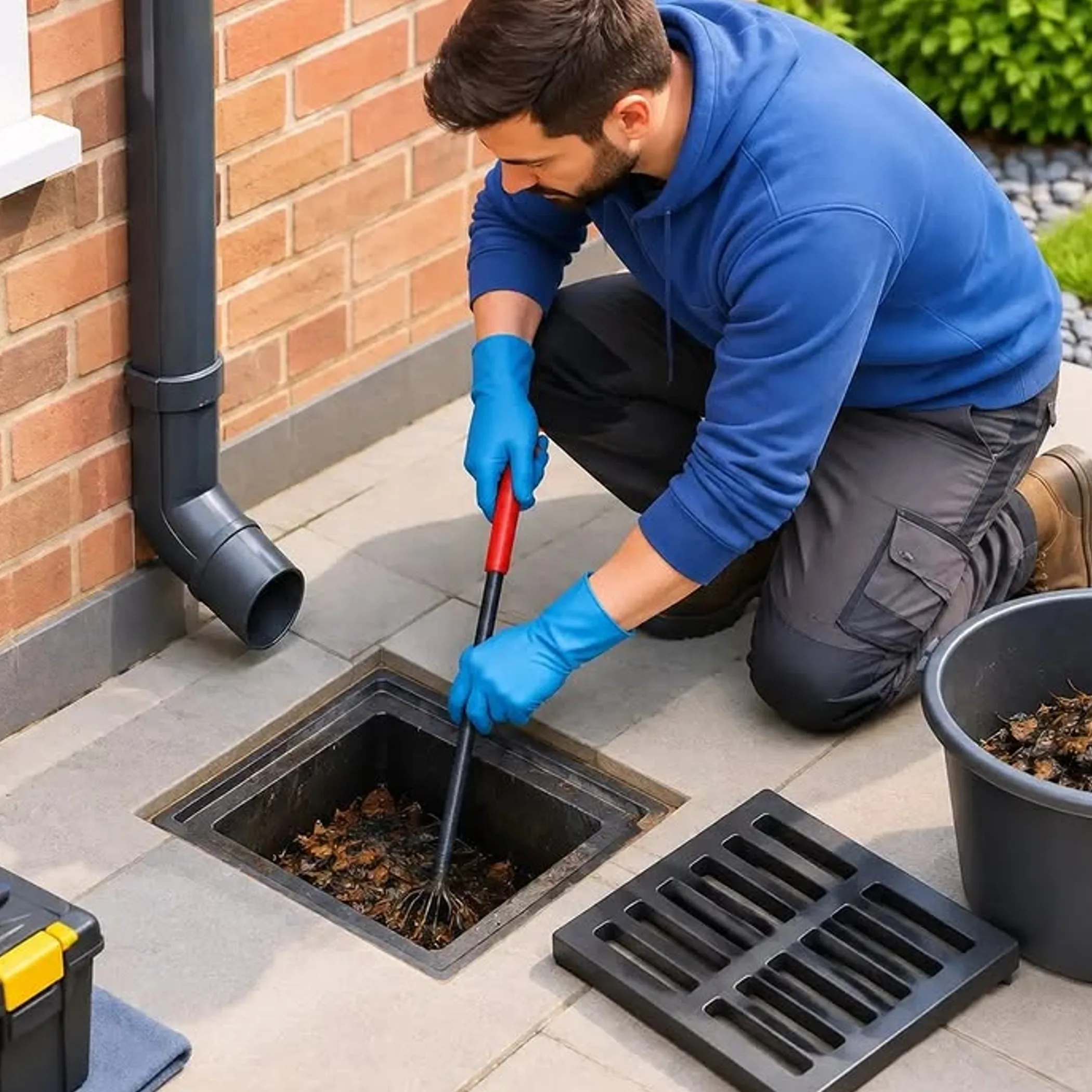
When a drain goes awry these are the sort of questions that come up. The answers below are straightforward enough, but local authority and the property itself may have a say in the matter of responsibility and how to proceed.
What Are The Most Common Causes Of Blocked Drains?
You will find fallen leaves, twigs, dirt, sediment and tree roots to be the usual suspects, along with cracked or loose pipes and a build up of grease and fats. Then a heavy rain will put more water through the system than it can cope with and a partial blockage is revealed.
Who Is Responsible For Blocked Sewer Drains In Australia?
It is a matter of where the blockage is. The water authority has the public infrastructure, the homeowner the private. Put the local water authority on the phone before you authorise any digging, especially if it is affecting your neighbours.
Does Home Insurance Cover Blocked Drains?
An insured event and the resulting sudden damage might be covered, but do not assume the policy extends to tree roots, gradual deterioration or something that could have been prevented. Read the fine print and check with your insurer.
What Is The Average Cost Of Unblocking A Drain?
No reliable average exists across the country given the variables of location, urgency and the state of the pipe. An itemised quote separating out labour, equipment and diagnosis is in order; a basic service will run you less than having to excavate or replace.
Can Boiling Water Prevent Kitchen Blockages?
It might budge some surface grease but nothing more. Better to prevent it by scraping your plates and keeping oils out of the sink.
Keep Drains Ready Year-Round

A blocked drain in any season is seldom without cause. Winter rain will find the weak spot, in spring the roots and garden waste head for the pipes, summer brings its share of kitchen grease and autumn leaves clog the gutters.
The sensible thing to do is to be on top of it: inspect each season, give warning signs their due and have a plumber in if it involves sewage or keeps happening. You cannot control the weather with a clear drain but you can forestall a household disaster.
