Reports on water quality at beaches in Australia show one main point: the beach could seem perfect and still not be a good place for swimming after heavy rain. The safest option depends on the latest local monitoring, our latest weather reports, pollution warnings, and the specific waterway you want to swim in.
This guide explains how to read data from a 2026 Beach States report, obtain information from local Beachwatch updates in NSW, have information about the monitoring in Victoria and Queensland, find alerts in South Australia, and make a safe swimming decision. I am Gideon Harrison, and I prefer more practical travelling advice to glossy campaigns. Water quality is not the thing that we want to guess; moreover, no one wants to be surprised by some stormwater.
What Data Are Provided by Reports in 2026
There is no single live report for beaches in Australia. Authorities from each state and locality monitor different Ocean beaches, estuaries, bays, rivers, or other waterbodies for swimming and then provide results through their own programmes.
This is why we think about water quality at beaches in Australia in 2026 in terms of local reports and daily updates, alongside national recreational water guidelines, rather than in terms of one national score card. Yearly reports will provide information about water quality in a long-term aspect; however, daily pages about the selected beach will be important in cases of rain or any incidents related to pollution.
Compare Yearly And Daily Results
Year reports will help you learn whether the beach has good quality on average, but you will not learn whether stormwater reached the beach this morning. With this being said, please refer to the local monitoring notices, pollution forecast information, and authorities advisories before making swimming decisions.
In addition, it is also important to understand that ratings need context. The site can receive a good long-term measure, but it can still carry temporary warnings due to heavy rains. In other words, if a beach has restricted historical records, it should be treated as an unsafe place not necessarily.
| Factors to Check | Why It Is Important | Sensible Swimming Decision |
|---|---|---|
| Recent rains | Rain causes bacteria, rubbish and pollutants got washed away into swimming water. | Do not swim if there was a lot of rainfall affecting the catchment. |
| Enterococci results | Some bacteria are used as indicators of faecal contamination. | Follow he rating provided by authorities. |
| Daily status of the beach | Things can change much faster than the yearly report suggests. | Check the local update before going swimming. |
| Algal blooms | Some blooms can affect people. | Avoid swimming there. |
| Waterway Type | Estuaries and rivers can react differently, compared to open ocean beaches. | Use more caution in burnt or urbanized waterways. |
NSW Beachwatch, Sydney Results
Water quality in NSW 2026 will be very useful for people swimming around Sydney, coastal towns, or estuaries. Beachwatch provides local information about swimming sites; at the same time, State of the Beach Report will help to get information about seasonal performance. Sydney Harbour, Rose Bay, Botany Bay, and Gymea Bay Baths may all react differently, depending on rainfall, tidal movements and local catchment conditions.
What Do Swimmers Go Wrong With
When looking at the environment, the major mistake is when the beach looks fine – clean sand and clear water – many assume that the swimming destination is also fine. However, the calm water might mean also slower flushing of it, especially in the case of enclosed bays and baths. After a recent rain, the situation looks good from the outside, accompanied by creek, drain, or stormwater outlet located nearby.
Should a person have to choose between two swimming destinations – the monitored ocean beach and an unmonitored estuary, the monitored destination is likely to provide more accurate information about pollution even though no absolute guarantees can be provided.
One Day in Sydney’s Swimming Plan
In case you only have one day to swim in Sydney, it is reasonable to check for the Beachwatch update the very first thing in the morning and select one of the monitored swimming sites with a suitable rating.
Victoria Bays And River Conditions
Port Phillip Bay Practical Checks
Final Recommendations
Check for the latest information provided by EPA Victoria before swimming and pay attention to the signs present at the swimming site. Also, be careful while swimming in located at the informal swimming site, as many people tend to believe that big bay distributes and dilutes potentially harmful compounds.
Queensland Rain And Gold Coast Beaches
Rain Advice For The Gold Coast
In the wake of heavy rain, you may want to heed any post-rain swimming advisories within the local area and above all do not swim near creek mouths, storm water outlets or other lagoon-like waterways until you hear from local authorities that the conditions are safe again. The waiting time can vary greatly due to numerous factors, particularly the strength of the rainfall, local drainage and position of the waterways.
If you are traveling with kids, you want to make the decision before you arrive. It’s always easier to explain to them why The Plan may change after getting to the accommodation than it is beside a sunny beach where everyone is already swimming and wearing inflatable flamingos.
South Australian Alerts And Algal Blooms
Beach water quality in South Australia information in 2026 will consist of a combination of routine monitoring of water quality and public health advice about something that is outside of the ordinary. For swimming advisory reports in SA Health’s life becomes an essential informational source, while any updates relating to algal bloom information relevant to the marine environment can be accessed on the Algal Bloom Update Portal.
Not all algal blooms behave similarly, and changes in water colour don’t imply the same level of risk every time. Nevertheless, unexplained discoloration, foam, scum on the water surface, unusual smells, or dead marine animals should lead to avoidance of that water body while checking official advice.
When Not To Swim
It is recommended to stay away from swimming in the water when there is an official advice against doing that, you notice signs of contamination, or if the water is significantly different from normal. Also, pets should be kept away from contaminated water, as they sometimes drink the water while playing and can be more at risk of contact with some contaminants.
Shellfish must never be collected in the area until told otherwise by authorities. Cooking does not necessarily help remove all marine toxins, and spending a small payment for lunch is not worth the hospital visit.
Rain, Runoff, And Bacteria
Among all short-term factors, rainfall is highly important for water quality in recreational areas. Water running across roads, roofs, parks, farms, and urban drains can carry faecal matter, oil, garbage, and many others into rivers, estuaries, and coastal swimming locations.
Enterococci bacteria are a common indicator of faecal contamination in checking recreational water quality. Enterococci present in the water indicate only that swimming conditions require attention or a notice, but they don’t show all possible hazards.
Expectation And Reality
Expectation: Clear water equals safe water.
Reality: Some contamination cannot be seen, specifically, for instance, right after rainfall.
Expectation: Every recreational area has the same level of risk each storm.
Reality: The risk level depends on the catchment area, drainage system, tide, wind, currents, and how chewed the swimming spot is.
Expectation: It is enough to let the rain stop.
Reality: Contaminated water continues to flow after the rain.
How To Check Conditions Before Swimming
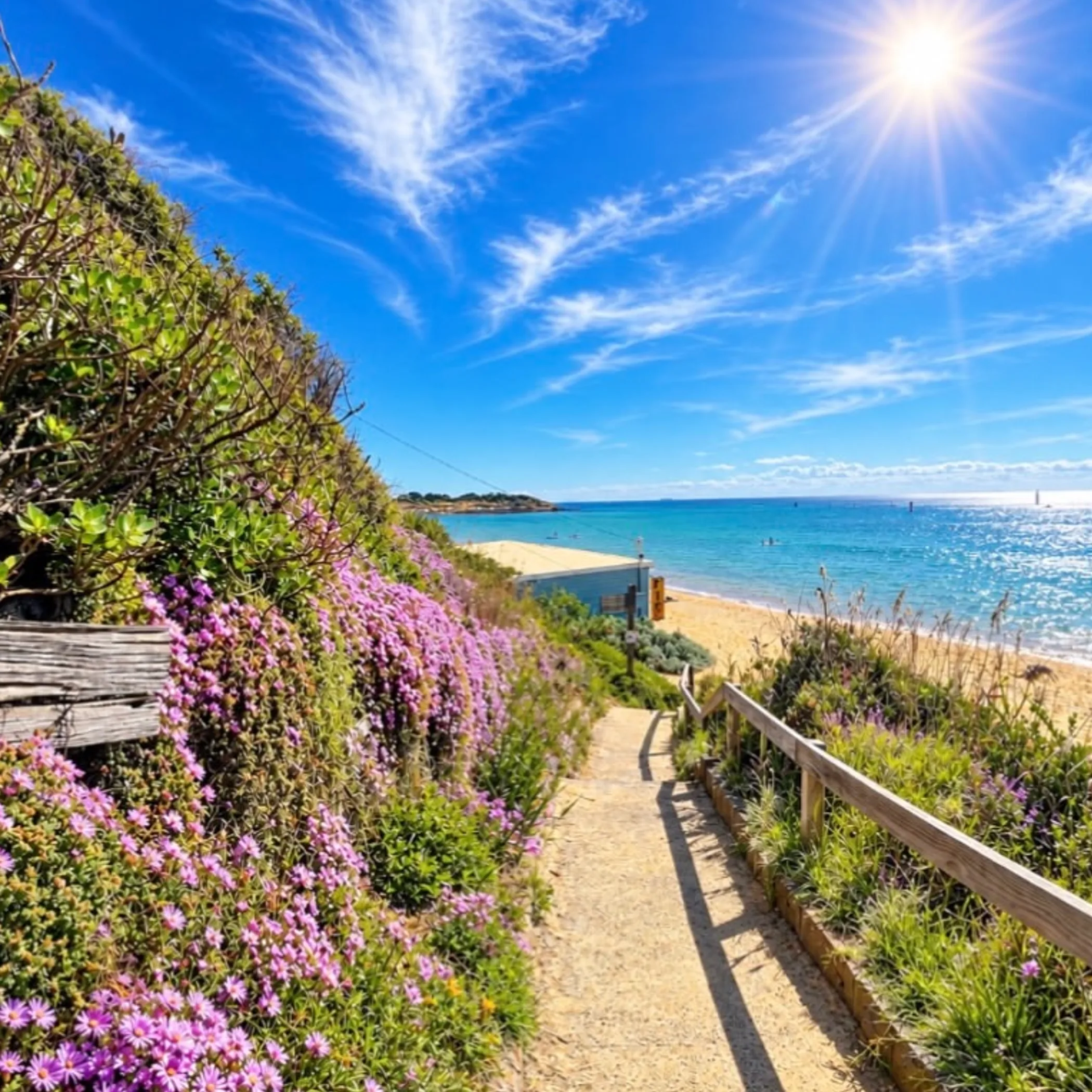
Looking for a water quality map of swimming areas in Australia will lead you to appropriate resources, but the map itself is not the only source. Try to find the date and time when the conditions were checked, exact swimming spot, checking technique, and any notice about rainfall, sewage, algae, or pollution.
Use official state or local authority locations where you plan to swim. In case there is no information at your disposal, or you think that the one you have is out of date, or unclear, try finding another monitored spot.
Quick Pre-Swim Checklist
- Notice the status of the beach and water near it before coming and swimming;
- Research about rainfall happening recently and no swimming mentioned in that regard posted after the rain ended;
- Read the posts at the access point and obey no-swimming notices;
- Observe and try to notice any unusual color, or smell of the water, and dead fish if any;
- Kids and pets must be kept away from swimming in water that has a warning sign over it.
For general national context, “Australian Guidelines For Managing Risks In Recreational Water“ provide the health-risk base used for recreational management; these guidelines are used for the broader national guidelines for recreational water use.
Safer Swimming Across Australia
These are all minute, yet they are much simpler than trying to explain in the doctor’s office what you were thinking when you ignored the warning sign by the toilets.
If you’re travelling in northern Australia during cyclone season or amid the extreme weather episodes, make sure you check local emergency alerts in addition to water quality. Even if the bacteria results are okay, the beach may still not be suitable due to waves, debris or dangerous currents.
Frequently Asked Questions
What is the safest beach in Australia?
There is no beach that is safe for all swimmers or all the time. One that has some level of oversight that makes sure it’s at a current satisfactory status (for the day you are there) and has lifeguards on-site would generally be better than an unsupervised beach with dubious conditions.
Where does water pollution in Australia happen most?
The risk of pollution is often higher near urban stormwater outlets, the areas contaminated by sewage, enclosed estuaries and swimming spots following the heavy rains. One should consider the event as well as the location – it is more proper to refer to a local authority’s advisories rather than labeling one city or the entire state as the dirtiest.
How to check the quality of beach water in Australia?
You should first start with the relevant state or local authority. Search for the beach status and the results of water quality monitoring, swimming advisories and rainfall data. Beachwatch NSW, EPA Victoria, local authorities in Queensland and SA health info websites are all a good start.
How long should you wait before swimming after the rain?
There is no one answer that would apply to all Australian beaches. Follow local authorities’ swimming advice, especially during or just after the heavy rains and pay special attention to the estuaries, rivers and enclosed bays, i.e. locations next to urban stormwater outlets.
What does a rating of poor beach water quality indicate?
A rating of poor means that this location has higher risks of pollution or underperformed during monitoring period. It doesn’t mean that every second is pollution-free, but it is a good reason to choose another place.
Are Australian beaches safe for swimming?
A lot of Australian beaches are fine for swimming, but it depends on the location and the day. Be sure to check the water quality from time to time, along with rainfall reports, swimming advisories and other information.
Conclusion

Any beach water quality report will be most valuable when you combine long-term results with today’s conditions. Keep up with the information, caution yourself on rainy days and leave the water when advised.
