In Australia the 2026 maintenance schedule for a high-rise is meant to be a blend of visual checks, in depth condition assessments, safe access and timely repairs, all underpinned by good records. But there is no national one-size-fits-all interval for an inspection; owners have to factor in state building regulations as well as the age, materials, defects and exposure of the tower.
I am Gideon Harrison and I have found in my career that if you do not put it on record, a small matter has a way of not staying that way. A bit of damp on a balcony or a sealant joint giving way will be an expensive problem to deal with at the next committee meeting. What follows is a guide to what strata committees, facilities managers and building owners should have in place for 2026, written in plain English and without the pretence that any one checklist can cover every building.
Prevent Surprises With The Right Schedule
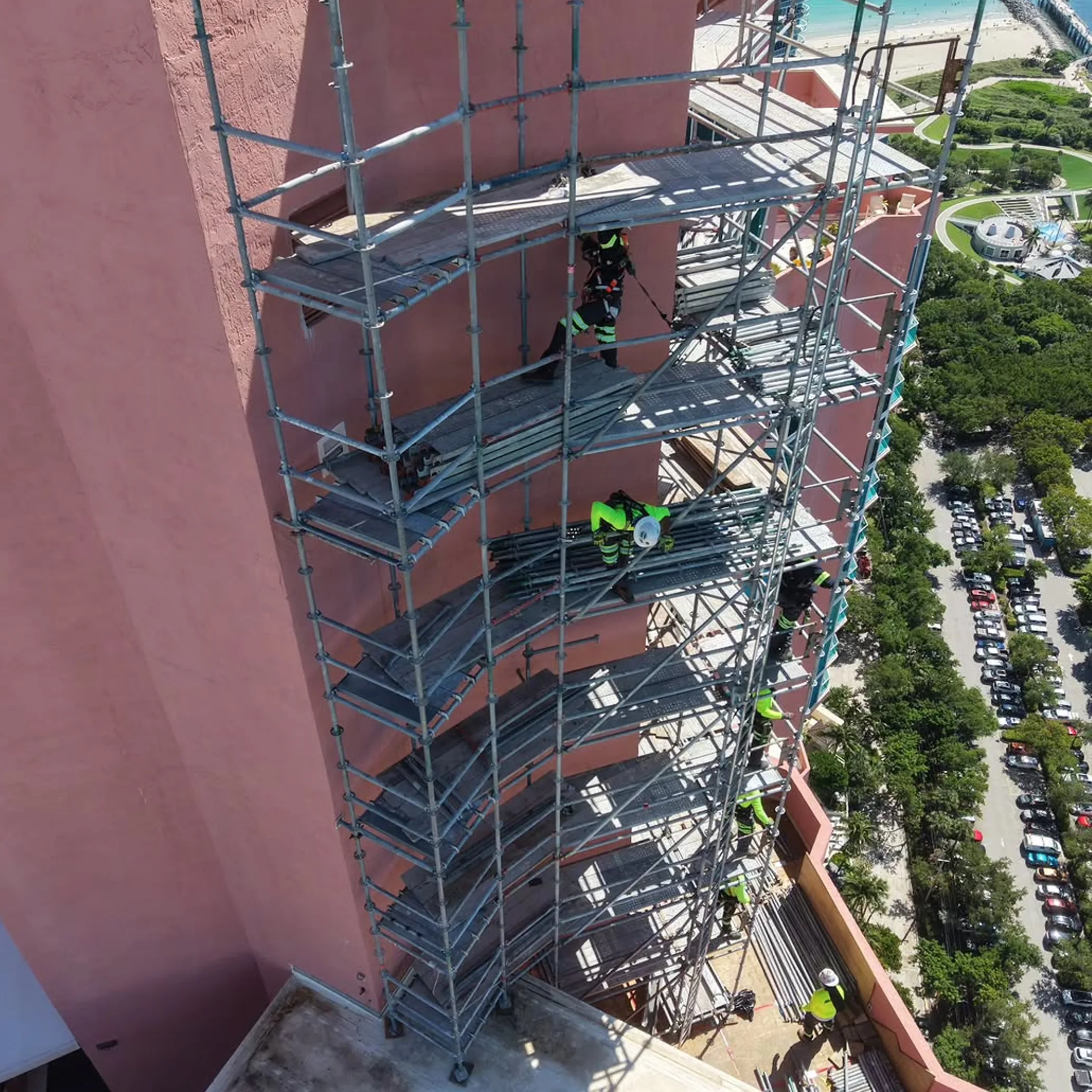
You make facade care part of planned building management rather than a reactive expense with a sound schedule. It allows an owner to put contractors in place ahead of the cyclone period or wet season and keep residents from being inconvenienced by water ingress or falling debris. This also helps owners assess Sydney high rise upkeep costs alongside seasonal risks.
Then again, a high-rise is more exposed than a low-rise dwelling. The building envelope is subject to wind, UV, salt, temperature and pollution, to say nothing of the wear on the balconies. In Hobart the cold and the rain put different demands on a building than you would see in the Top End, the Pilbara or on the Sydney coast.
Make Decisions On Risk
Put aside guesswork and look at the history and construction of the facade. Make a note of the original build date, any prior repairs or trouble with water and balconies, movement joints and hard to get at spots. Is it brick, concrete, render, metal cladding, stone, glass, composite or some combination?
One can make a case for a documented visual review as a minimum each year, but let the risk dictate when an engineer does a thorough inspection. Two or three years may be enough for some. For others with old concrete or combustible cladding, more frequent appraisals are called for. The qualified consultant or engineer will decide on the interval once he has seen the condition assessment.
Inspection Frequencies That Make Sense
The frequency of your inspections ought to be based on probability and the consequences. An older coastal property with its share of cracked balconies and failed sealant will require a different programme to a new tower in a sheltered spot.
The framework set out in the table below is for practical planning purposes only; it does not take the place of an engineer, building surveyor or regulator.
| Inspection / Task | Typical Interval | Why do it | When to escalate |
|---|---|---|---|
| Routine site observation | Monthly/quarterly | To spot new stains, loose items, access hazards or cracks | Any safety issue or material coming loose |
| Annual facade review | 12 months | Visible walls, drainage, coatings and balconies | If you cannot view an area safely or see the same defect |
| Detailed condition assessment | 2 to 5 years (risk dependent) | To judge service life left and repair needs | Water ingress, spalling, significant movement |
| Engineer inspection | After major events or serious defects | For structural or safety questions | Unstable balustrades, exposed rebar, cladding issues |
| Post-repair verification | Upon completion | Warranties, photos, quality of work | Recurring leaks, unfinished business |
Take Australian Conditions Into Account
With coastal towers you will want to be on top of corrosion, salt and the protective coatings on metal fixings. Up north, November to April means you have to plan for the wet season and cyclones. A calendar date is not a deliverable date when the wind and rain put a stop to rope access or sealant work.
If you are in a bushfire zone then smoke and heat are considerations for the external finishes. And where a team is working off the road they must be mindful of traffic and emergency access. One does not want a mobile platform or a panel to be a second problem for those on the ground.
All The Important Facade Tasks
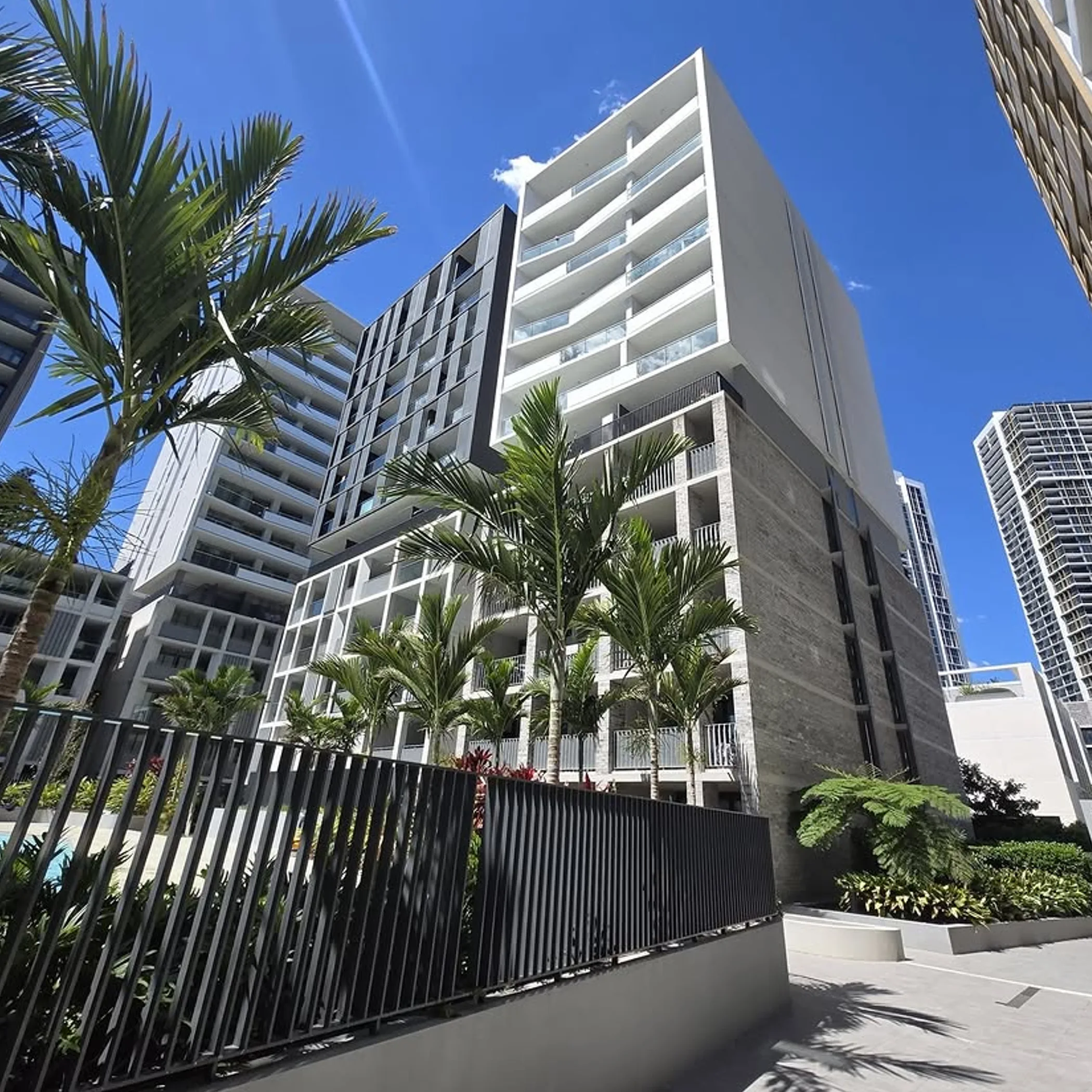
Your annual plan should show how an inspection leads to action: who is checking what and when, how evidence is stored and the process for urgent matters.
There is more to commercial facade maintenance than a pressure wash and a coat of paint. You can have a tidy looking building with the defect still there, which is akin to putting a new shirt on a sprained ankle.
The Building Envelope
A thorough review is called for of the external walls, roof edges, parapets, balconies and awnings as well as window surrounds, planter boxes, joints, drainage and any penetrations. One should be on the lookout for telltale signs of trouble: render that has cracked, spalling concrete, masonry out of place, rust stains, delaminated coatings, loose tiles or distorted panels and mortar that has given way.
Examine the sealant joints to see if they have hardened, shrunk or separated, leaving gaps. Determine if water is making its way in at the windows, doors, balcony thresholds or service penetrations. Where you can, put a stain to its source; do not take a damp patch at face value as being the extent of it. Make sure to put down a record of every defect found, noting the type, size and severity along with what is thought to be the cause and what action is warranted. A photograph with an unambiguous location reference is in order.
Balconies, balustrades, handrails, soffits and other overhead items warrant a look over. See what the evidence is on cladding safety and fixings and read any prior reports. Also establish if any drainage work or replacement of sealants and protective coatings is due.
Urgent Versus Planned Work
There is a distinction to be made. In 2026 an urgent facade repair in Australia might be needed for loose concrete, falling render, detached tiles, unstable cladding or a failed balustrade fixing, any of which could cause injury. Exposed reinforcement and major movement are in this category too. It may be prudent to bar access under the defect until a professional has appraised the risk.
Then there is the less pressing business of small cracks, incipient corrosion or some isolated staining which can be put to planned maintenance. But “later” must be assigned a month, a budget and someone to see to it, or one is left with deferred maintenance and a very confident haircut.
Compliance With State And Territory Obligations
What constitutes compliance for a building facade in Australia is a function of the state or territory, the type of building and its construction history. The onus is on owners to factor in strata or owners corporation duties, planning and fire safety obligations, work health and safety law and any regulator notices.
One cannot substitute a national article for the current position of the authority in question. In New South Wales, for instance, managers and owners would do well to consult the New South Wales Building Commission for project-specific guidance when it comes to defects or building work.
Put Some Questions To The Compliance
In Victoria the focus will be on essential safety measures and the advice of the building surveyor as well as owners corporation duties. For Queensland, body corporate responsibilities and local conditions come into play, especially where coastal or cyclone exposure is a factor. In New South Wales one has to consider any extant strata, fire safety or inspection requirements.
The regulatory path is different in South Australia, Western Australia, Tasmania, the ACT and Northern Territory. Let the responsible owner or strata committee get confirmation of the rules from the state regulator, certifier or a legal adviser. A contractor’s sales pitch is no substitute for a compliance strategy.
Professional reports and the instructions of the manufacturer will have a bearing on the work to be done. While the Australian Institute of Architects can give some context and data.gov.au has government datasets for research purposes, these are not a proxy for an assessment on site.
Do Not Tolerate Serious Defects
Certain things have to be escalated without delay as they may point to a failure in the facade system or a hazard. From the ground a defect may appear cosmetic but prove otherwise on closer inspection from a rope access rig or platform.
It is up to residents to make the building manager or strata contact aware of new cracks, fragments coming down, water in living quarters or a damaged panel. They are not to go climbing on ledges to dislodge material.
Red Flags
Spalling of the concrete is something one sees often enough, the result of corroding reinforcement putting pressure on the surface. Any bulging concrete, exposed steel or areas that sound hollow call for a professional opinion. A crack in the render might be of little account unless it is wide or has been displaced.
The same is true of cladding panels that have a mind of their own in the wind, glass that is cracked, a balcony edge that has failed or a leak that reappears with the rain. This extends to any damage to roof anchors or fall-protection gear.
Arranging Access
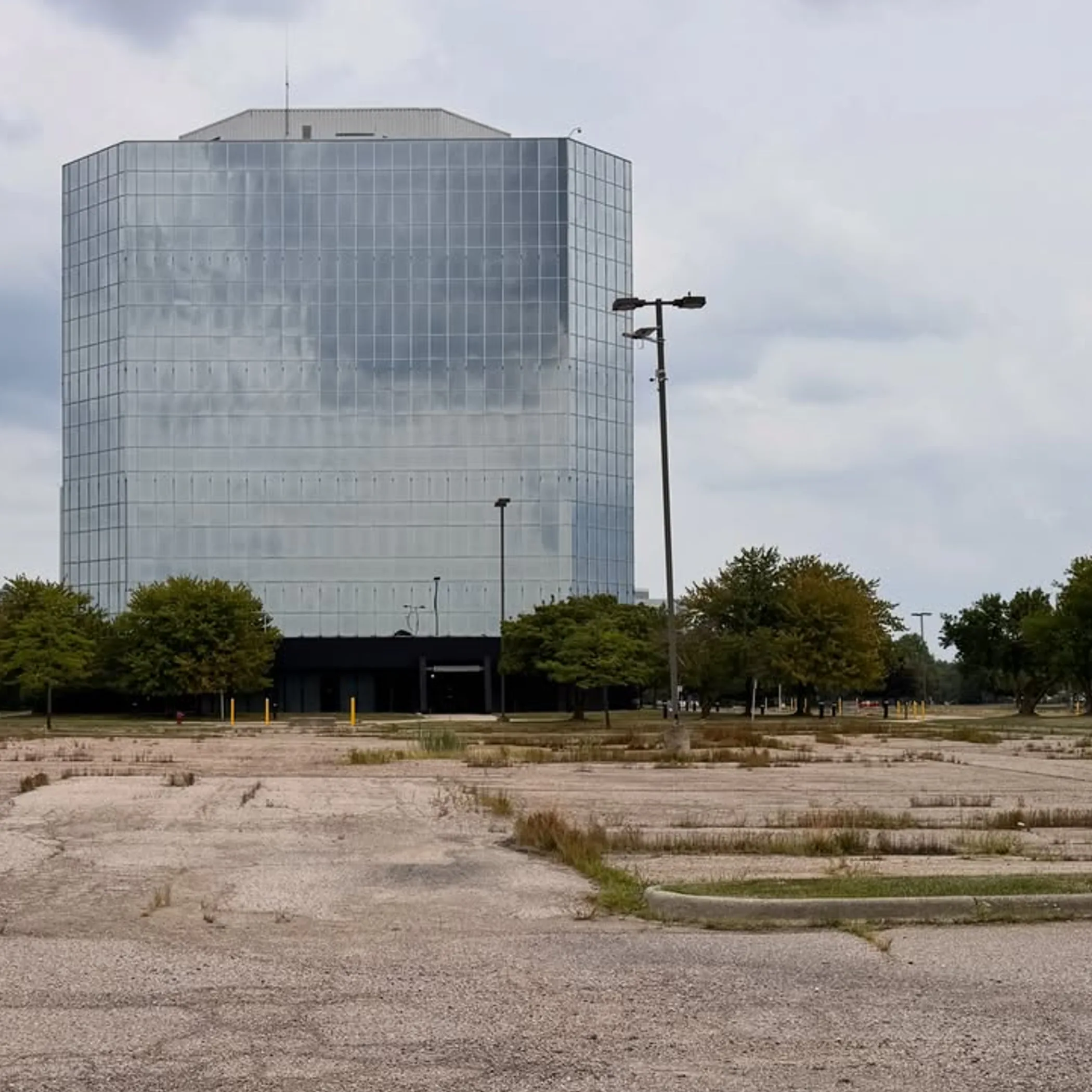
Logistics are more involved than one might think with a facade inspection in Australia. The team will want to get to the roof and plant room, have parking for a vehicle and space to load in, and be given leave to enter an apartment or balcony. Ground-level exclusion zones may be required.
Have the contractor put forward an access plan ahead of time. It needs to set out the entry and return routes for equipment, pedestrian controls, what notice will be given to residents and how weather will be factored in. In a CBD street a truck or suspended platform will alter the traffic in short order.
Choose Safe Access Systems
Where elevations are tall, narrow or otherwise hard to get to, rope access is an option, provided one has the right anchors and exclusion controls in place as well as a rescue plan and workers of some competence. Then there are other means of access such as mast climbers, building maintenance units, scaffolding or elevated work platforms. But factor in the cost of permits, weather delays and traffic control and the most economical solution will not always be the fastest or safest.
For direction on how to work at heights in a safe manner there is the guidance of Safe Work Australia. It is for building owners to see that their contractors have the necessary site-specific controls, insurance, training and licences.
Weather and Residents
Sealant will not cure in the rain and water testing can be rendered inconclusive. Wind of any strength will put a halt to cranes, rope access and the like. There is also the matter of heat and its impact on coatings and the safety of the workforce. In northern parts of Australia a cyclone alert means external work has to be put on hold and equipment made secure or taken away.
One should put residents on notice with regard to parking, laundry, children, pets, windows and balcony access and noise. A sensible notice will set out what is to be done and by when, where it will be done and who to ring if the plans are altered; it is more considerate than putting up a handwritten sign on the lift and letting people make of it what they will.
Budgeting for Repairs
The maintenance budget needs to cover everything from inspections and access to engineering, repairs, cleaning and waste disposal, as well as project management and contingency. If the origin of a defect is in question, ask for separate pricing for the investigation and the repair.
In Sydney the upkeep of a high rise can run the gamut given the height, the materials, the severity of defects and the disruption to residents. You might pay considerably less for a sealant replacement than for concrete remediation that calls for an engineer’s design and scaffolding. Do not take a per-square-metre figure as a quote, only an estimate for planning purposes.
A Repair Priority Register
Categorise items as monitor, planned, high or immediate. Put down the responsible person, the funding source, target date and the evidence to be had at close-out, along with the cost in AUD. The strata committee ought to put on record why work was given priority and make major spending decisions plain to owners.
Be prepared for inflation and the odd hidden defect. A consultant might put in an appearance and find corrosion has gone further than a visual inspection would have you believe. An unwelcome surprise but preferable to having it turn up once a piece has come down on the footpath.
Records of Progress

All the history of the building should be in one place in a maintenance register. This is where to file the likes of inspection reports, photos, defect maps, any advice from engineers, warranties, invoices, contractor information and completion certificates. Note the date, the state of the weather, limitations and recommendations and which areas were and were not inspected. “No issue found” does not make for good documentation if there is no way of knowing what access the inspector had or where he was looking.
Responsibilities
Under local law and the property structure, the onus for putting together a facade maintenance schedule for an apartment building will be on the owner, the strata or facilities manager or the owners corporation. As for contractors, they report and inspect; they are not to be conflated with the owner’s compliance system. When engaging a contractor, look for one that has the right insurance and safety papers to show, references on similar structures and a proven track record with facades. Put some questions to them as well: who is in charge of the work, who will put his name to any repairs, how are defects to be put on film and what is the procedure should the scope of the job alter?
Make The Next Inspection Easier
You want a schedule that can be adhered to when the building is at its busiest, the weather is not co-operative and there is strain on the budget. Before you put the current review to bed, set the date for the next one. Have your defect records to hand in a searchable form and make sure any need for urgent escalation is plain to see.
A programme that is properly documented and calm will forestall the three common pitfalls: the notion that a facade in good order is a healthy one, the tendency to equate a contractor’s estimate with an engineer’s view, or putting off minor repairs while failing to note the risk. In 2026 building owners would do well to have evidence, safe access and to act early instead of resorting to heroic outlays at the eleventh hour.
Frequently Asked Questions

What Is Included In A Facade Maintenance Schedule?
External wall and balcony inspection, cladding, sealants, joints, coatings, windows, drainage and access systems. There should also be safety controls, budgets, a list of responsibilities, completion evidence, defect priorities and review dates.
How Often Should A High-Rise Facade Be Inspected In Australia?
As a working baseline we would suggest a documented annual review along with routine observations over the course of the year. For a more in depth condition assessment every two to five years is often called for, though age, materials, exposure and the like, as well as professional counsel, will dictate the proper interval.
Who Has Responsibility For Apartment Building Facade Maintenance?
In most cases it is the owner, the strata committee, body corporate or owners corporation, provided for in the property’s governing documents and the law of the state or territory. While a strata manager may see to the coordination, owners are advised to verify what is required by way of duties and approvals for their building.
How Much Does High-Rise Facade Maintenance Cost In Australia?
One will not find a flat rate across the country that is to be relied upon. What you pay is a function of the height of the building, the materials used, labour, engineering, traffic control, the severity of defects, weather and resident access. To determine the maintenance budget, get an itemised quotation in AUD from a condition assessment first.
What Facade Defects Require Immediate Repairs?
Any loose or falling material, cladding that is not stable, exposed rebar, concrete spalling of a serious nature, balustrades that are unsafe, major movement, cracked glass or active water ingress should be escalated. Until a professional has had a look at it, keep people away from any hazard where an object might come down.
Are Facade Inspections Legally Required In Australia?
There is no one national rule for high-rise facades, but certain buildings or circumstances will carry obligations for inspection, fire or work health and safety, maintenance and defects. A qualified building professional and the appropriate state or territory authority can tell you what is currently in force.
What Records Should Building Owners Keep?
The maintenance register should hold everything from reports and photographs to defect locations and any limitations on the inspection. Also file there the engineering advice, approvals, contractor qualifications, invoices, warranties, repair and follow up records.
How Do Facade Maintenance Requirements Differ Between Australian States?
Laws and regulations will vary from state to state as will the processes of the regulator, strata rules and fire safety duties. The history of the building, its construction and use are also factors. This guide is for planning purposes; after that check with your adviser and the relevant authority for the current pathway.
