There is a straightforward answer to how often one should be tending to solar panels in Australia: twice yearly for an inspection and a clean if leaves, salt, dirt or bird droppings are getting in the way of performance. Some roofs will do fine with an annual going over; others in coastal, tropical or dusty climes call for more frequent care. That is what we mean by Solar Cleaning By Climate.
Gideon Harrison puts forward this guide on the premise that good household advice has its place. One does not like to put money down for power when the panels could have put it there. They are low-maintenance, certainly, but that is not licence to let them be until the inverter has a fit.
At A Glance
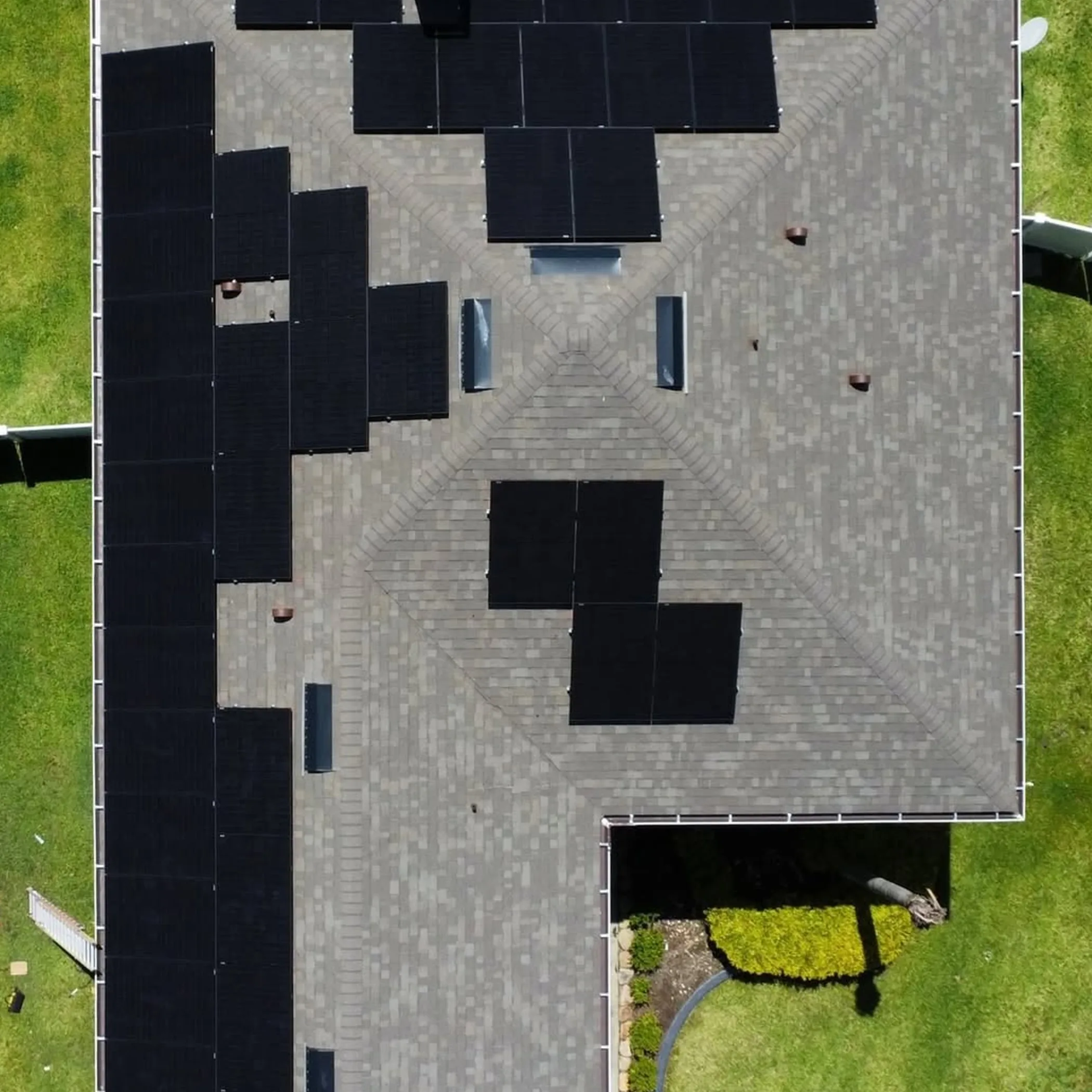
Your cleaning timetable is dictated by local conditions, not the calendar. Things like the angle of the panel, roof pitch, tree cover, traffic, salt spray and seasonal dust determine the rate at which grime accumulates. This makes seasonal solar system upkeep easier to plan.
The table below offers a sensible approach to solar panel cleaning by zone, to be used as a guide rather than hard and fast rules. An inland roof in the dust will want more of your time than one in a wetter suburb.
| Australian Location / Climate | Typical Cleaning Guide | Contaminants you will find | What to keep an eye on |
|---|---|---|---|
| Tropical (Cairns, Townsville) | A check every three to six months, clean as you see fit | Humidity, mould film, cyclone debris, bird droppings and leaves | Rapid organic growth, blocked gutters and any heavy storms |
| Sub-tropical (Brisbane, Gold and Sunshine Coasts) | Six-monthly inspection, one or two cleans a year where necessary | Pollen, dust, rain-borne grime, leaves and bird droppings | Any tree cover or roof valleys, protracted dry spells |
| Temperate (Melbourne) | Twice a year for an inspection, an annual clean or sooner if output is down | Pollen, dust, leaves, bird droppings | Shaded panels, low pitch and autumn’s leaf fall |
| Arid and inland (Alice Springs) | Every two to four months, more so when it is dusty | Fine red dirt, smoke residue, bird droppings | Lack of rain, work being done nearby and the dry season |
| Southern (Adelaide, Hobart) | When you can see deposits, clean them; inspect in the space of six to twelve months | Dust, pollen, smoke residue, bird droppings and leaves | Bushfire smoke, vegetation in the vicinity and summer dryness |
| Coastal | Three to six monthly depending on the salt | Salt spray, sand, bird droppings and dust | White salt film, wind off the coast and the threat of corrosion |
These are not national mandates. If the Bureau of Meteorology is to be believed, rainfall and the seasons vary too much from region to region for a one size fits all rule to be of any use. Check their climate information to see how things stack up locally.
The Effect Of Climate
In two respects climate makes a difference to the panels: what gets on the glass and how long it is left there. Rain might run off some of the loose dust but you will not get baked-on bird droppings or salt off with it.
Then there is the matter of timing. After a rain the panel might appear to be in order yet a thin film is still there to impede the light on the cells. It is not a case of running for the ladder at the sight of a cloud mark. Look at the inverter and the output before deciding on a clean.
Do Not Rely On The Rain
With a decent pitch on the roof, rain is of some assistance. But once the water of a light shower has gone you are left with streaks and mineral marks. And a downpour will only move the leaves into the roof valleys.
People make the mistake of thinking the rain has done the job. It has washed away the dust perhaps, but the sticky stuff remains. You may as well be rinsing a muddy ute without the soap: an improvement, but not quite showroom quality.
In The Tropics And Sub-Tropics
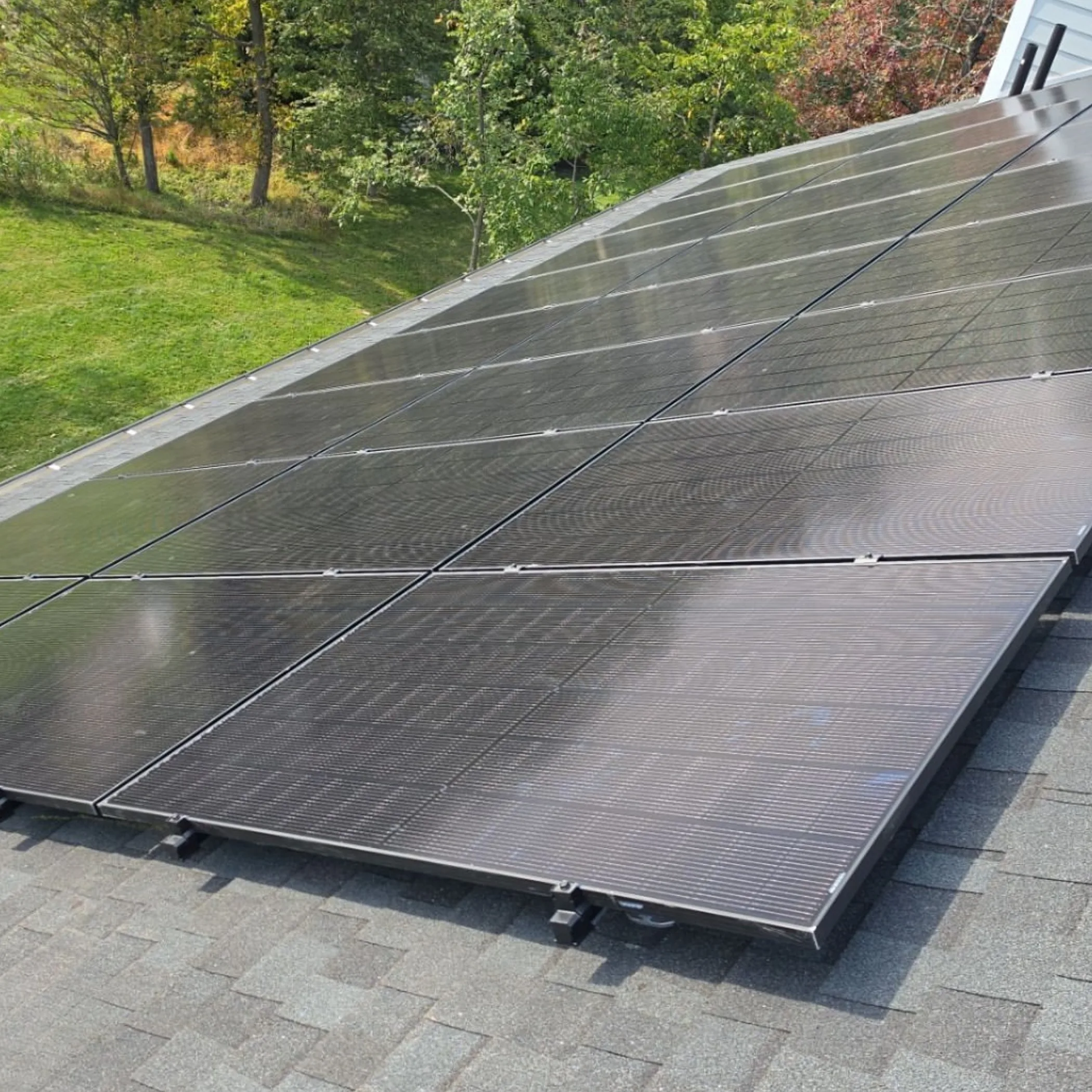
From the Sunshine Coast to Brisbane, Cairns and Townsville you have the added problems of vegetation, intense rain and the humidity. Organic matter has a way of building up in no time in these parts, particularly near a tall building or under the trees.
In the north it is best to get an inspection in before and after the wet season if you can safely do so. Let the cyclone and severe-weather warnings take precedence over whatever date you had in mind for a clean. There is no need to put a roof on for the sake of a neat maintenance log when the weather is anything but safe.
Wet Season Cleaning Checks
In the wet season one should be on the lookout for any leaves or branches, blocked drainage in the vicinity of the panels and a mouldy sort of film. Bird droppings have a way of setting in between storms. Come the dry season and with little rain to wash it away, dust will make itself at home on the glass for weeks on end.
For a sensible solar panel maintenance Australia routine in these parts, a visual once every three to six months will do. If the system is hard to get to, near cyclone debris or on an incline, have a professional do the cleaning.
Temperate And Southern Regions
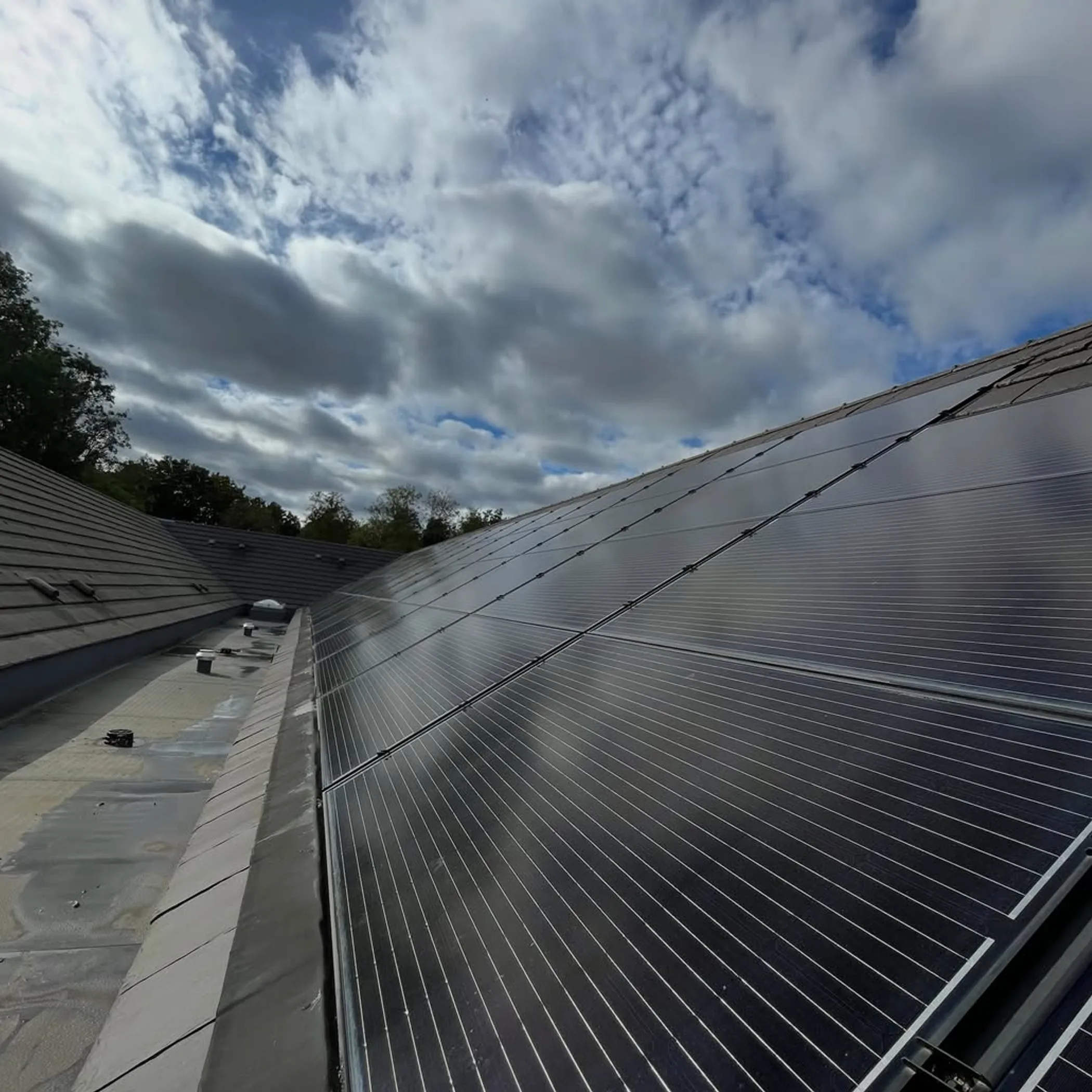
The pattern is not the same in temperate climes like Melbourne. Regular rainfall does not preclude a seasonal accumulation of pollen, dust, bird droppings and autumn leaves. How often a Melbourne household has to clean its panels is a function of the roof’s water shedding and the proximity of trees.
One may find homes in the very same suburb with panels under trees that require a clean up after the spring pollen and again in autumn, while those with open, pitched roofs are fine with an annual once over and the odd clean. It is as if the panels are intent on reminding us of the individual character of every roof.
Southern Seasonal Traps
Rainfall will not always clear the film left by construction dust, long dry spells or smoke from bushfires. Make a point of checking the panels following a major smoke event or works in the area, particularly where the inverter indicates a sustained drop in output.
In Adelaide the dry of summer makes dust an issue more than the rain; in Hobart and other cooler southern spots it is the damp organic matter and leaves. One is better to let the contamination set the schedule rather than some date on the fridge calendar.
Arid And Inland Regions
Dust is the simple fact of life in inland Australia. Fine particles will cover the panel surface in Alice Springs and elsewhere through a protracted dry. Add in strong winds, traffic, building and farming activity and the load is on.
During the dusty months an inspection every two to four months is in order for many inland systems. It is worth a clean if there is a visible film post-rain or the solar output is down on a comparable sunny day. But a hot day is not to be mistaken for a dirty panel; even spotless glass can see an efficiency loss as the temperature climbs.
An Approach For Dust
Dry dust is abrasive. A rough cloth can put scratches in a dry panel and high pressure water risks the seals. Stick to soft equipment and clean water or call in a professional who knows rooftop solar.
I was struck by how frequently people would get the time of day wrong when I first took note of regional advice. With the sun out and the glass hot you will be left with streaks from the evaporation. An overcast or early morning hour is more amenable, all being well with the weather and equipment.
Coastal And Beachside Areas
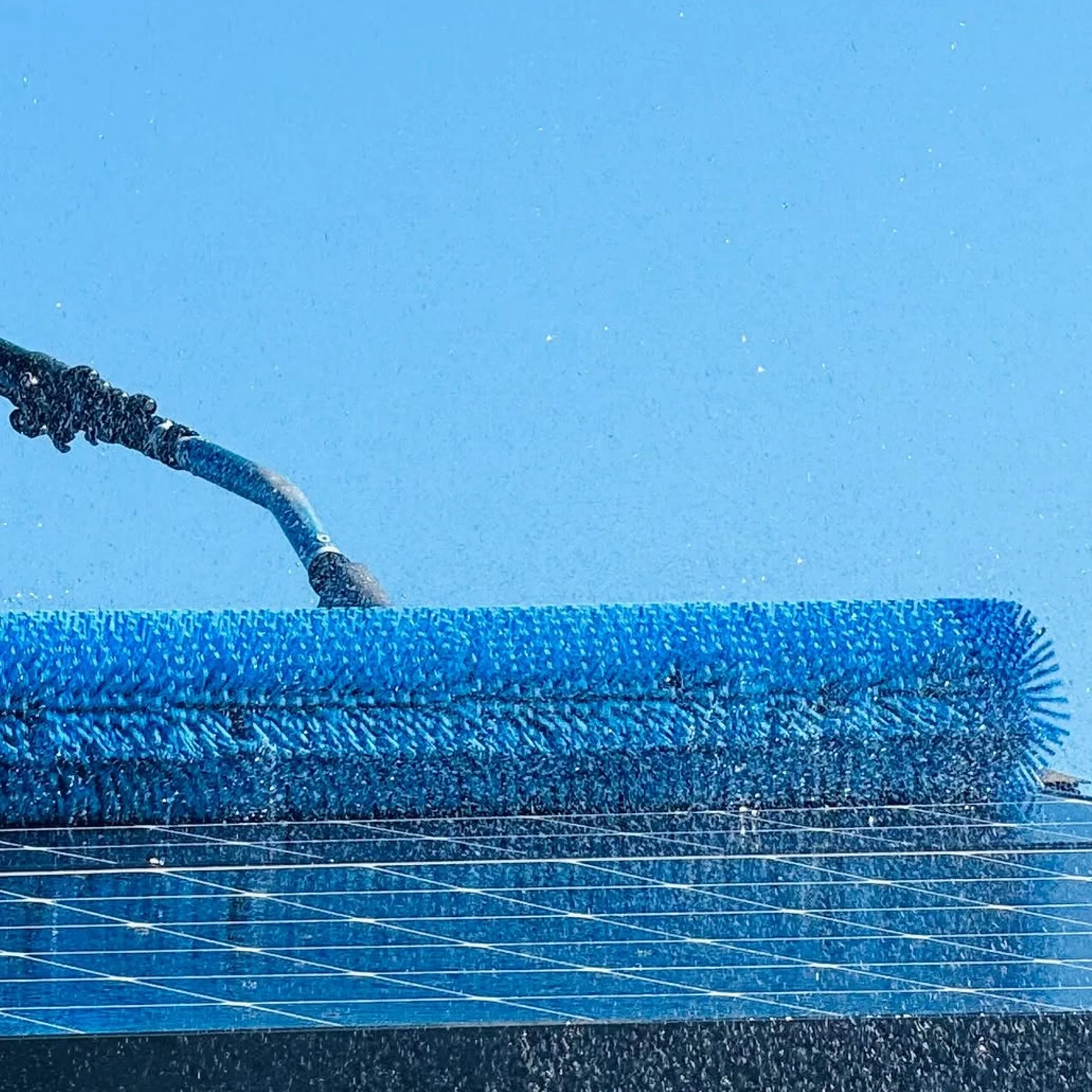
Salt spray will find its way to the panels and electrical hardware in coastal areas, as sand will on the glass in a wind. From the ground a thin salt film can be elusive until the angle of the sun gives it away.
Beachside systems warrant an inspection every three to six months, more so for a house right by the water. Salt deposits should be dealt with promptly to guard against corrosion of the mounting and electrical connections, though this is no substitute for proper servicing of the system.
Salt, Sand And Sea Air
A garden hose is not going to cut it if you can see the salt residue; it will just be moved about. Have a qualified hand look over the accessible components and the mounting for any tell tale signs of the coast.
The pitch of the roof is also a consideration: a steep tilt will shed the rain and sand, whereas a flat or low-pitch roof will hold on to the dust and water marks.
Factors That Change Your Schedule
Climate is only part of the equation. You can have two houses a couple of streets from each other with different needs, one because of an open roof to the wind and the other a large gum tree.
To see if your present routine is adequate, run through this checklist:
- Have the panels looked at after heavy leaf fall, a bad storm, nearby construction or an extended dry.
- Bird droppings, a film of salt or dust, leaves and any muddy residue are to be found on the edges of panels; make sure to look for them.
- When reviewing inverter data, put it up against what one would expect on a comparable sunny day, not some cloudy day.
- Take into account the roof pitch and tilt of the panels, shading and if they are within safe reach from the ground.
- Should access mean you have to put out long ladders, do some roof work or contort yourself, have a professional come in to clean.
Do not be guided by any notion that an annual cleaning is de rigueur. While an inspection once a year is prudent for most homes, the need to clean is dictated by what is visible, how the environment has treated the system and its performance.
What Catches Owners Out
Owners will often mistake a production dip for a sign the panels are in need of a wash. That is the error. Inverter or network issues, new shade, bad wiring or simply very hot weather can give the same indication.
A 20% output drop from a good baseline is cause for inquiry but there is no “20% cleaning rule” in Australian law. Make like for like comparisons in terms of daylight and weather, with no new obstructions. If it is still down, put in a call to the installer or a technician of the right calibre.
How To Spot Dirty Panels
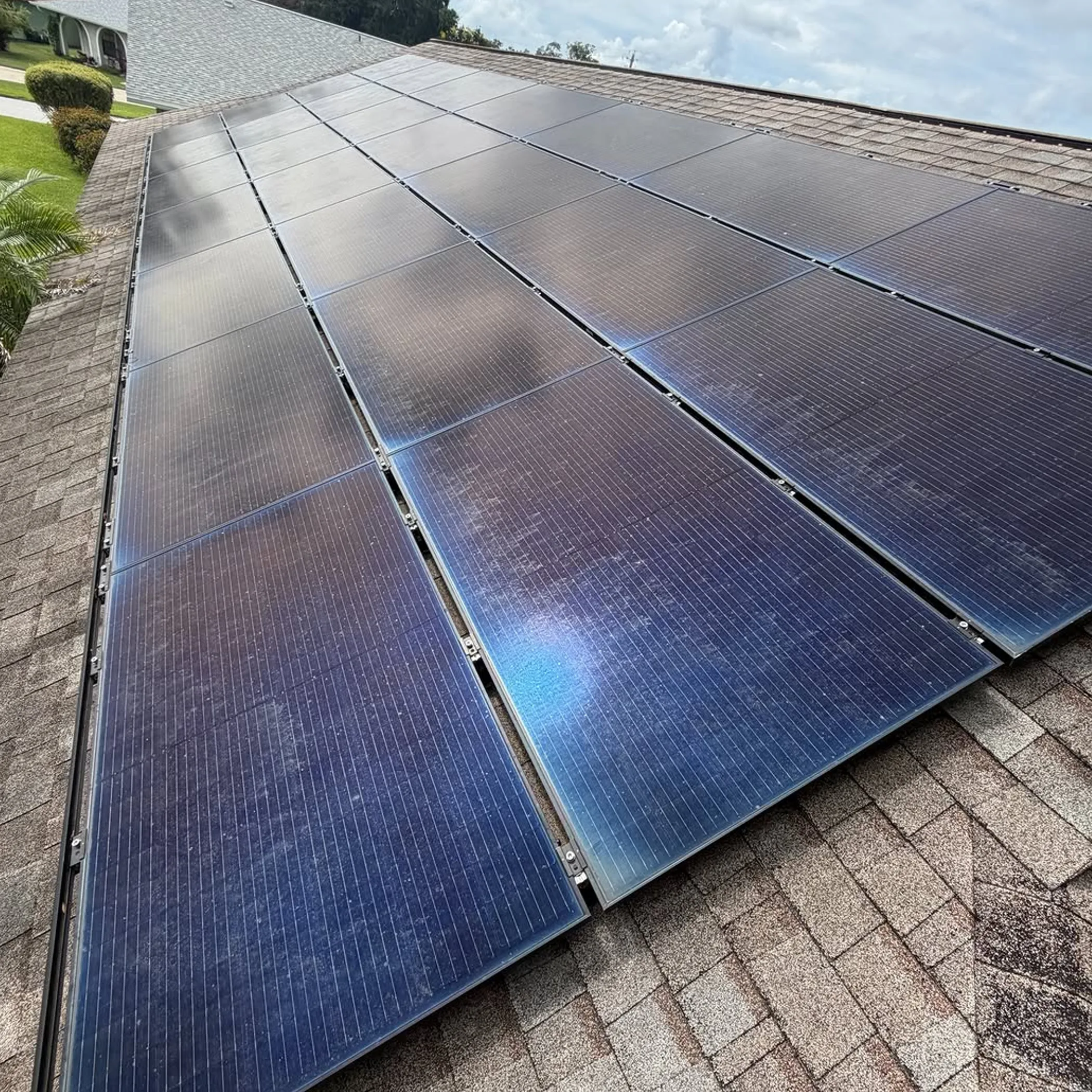
From the ground you can see uneven dark patches, a dullness over several panels, pale marks from salt, bird waste or where leaves have accumulated. Widespread soiling on the system is more of an issue than a solitary mark.
Inverter monitoring will show you the pattern. A single low figure is not as telling as a steady decline under the same conditions, given solar output will ebb and flow with the season, clouds and temperature.
If maintenance is confined to a day, do the sensible thing: inspect what is safely at hand, put the inverter reading on record, clear any loose leaves from the gutters and engage qualified help for the roof. There is nothing to be gained by rushing up a ladder; it is the way a routine clean turns into a costly medical episode.
Safe Cleaning And Maintenance
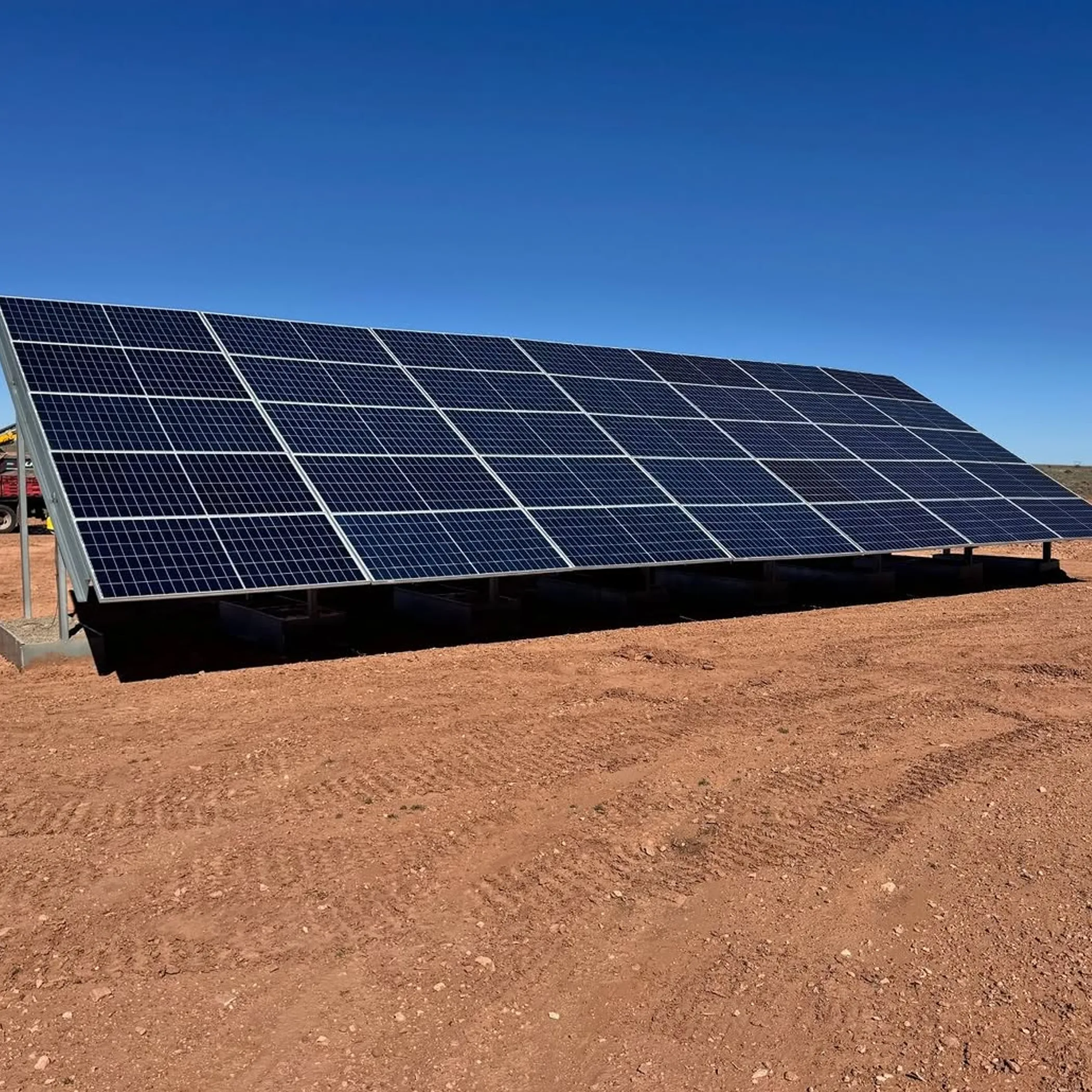
Be aware that the glass is not made electrically safe by the act of cleaning; light on the panel means it is generating power. Roof work brings with it the risk of falls, unstable ladders, heat and fragile surfaces.
The course of action for many is to leave the cleaning and any electrical inspection for faults or unexplained changes to a pro. Enquire as to their insurance and whether they have the rooftop solar know-how to avoid doing damage to the seals, hardware or the panels themselves.
Plan Access Before Cleaning
See that the driveway is clear and gates unlocked for the contractor. Make the cleaner privy to any skylights, pets, recent building or leaks and limits on roof access. Do not let him expect to carry equipment over rough ground when parking is an issue; provide a loading point.
You should get a quote that is itemised for travel, repairs, guttering, the cleaning and any electrical work. A flat rate from a national provider is apt to be misleading since prices are a function of location, contamination, height and the size of the system. The cheapest bid is likely to have left out the awkward part, which is usually the roof.
Adhere to the current safety guidance and your installer’s documentation. The Clean Energy Council is a significant body in the industry but their advice on cleaning does not supersede the standards for licensed trades and electrical work in Australia.
Frequently Asked Questions
Homeowners in Australia tend to put these questions when they are deciding on a cleaning regime for their solar. The answers below are straightforward, though you would want to seek out a professional for anything out of the ordinary or unsafe.
Is a yearly clean necessary?
Not of necessity. An annual inspection is of benefit to many but the frequency of cleaning will vary with the roof design and exposure to salt spray, pollen, dust, rain and birds. You will find tropical, arid and coastal properties require more frequent attention than a suburban roof.
Tell me about the 20% Rule
There is no such universal rule in this country. A 20% fall might warrant a look into it, but it could be the inverter, heat, dirt or even a monitoring glitch. Check similar conditions before you book.
What are the standards for installation?
They can differ for grid connection, mounting, wiring and design. Have a qualified installer and the system papers. Do not tinker with the wiring or think of cleaning as a form of electrical servicing.
After a rain?
Rain will take the dust off but not necessarily the mud, minerals or bird droppings. Have a look after it has rained. Provided the glass is clear and the numbers are normal there is no need to do more.
On what schedule should I be cleaning?
Twice a year is a good start in most places but then you have to factor in the climate. Those in Cairns or Townsville, the coast or the inland may have to check every three to six months, or more in stormy or dusty times. It is best to have a seasonal upkeep that is a mix of inverter and visual checks and the odd bit of professional assistance.
Choose What Your Roof Demands
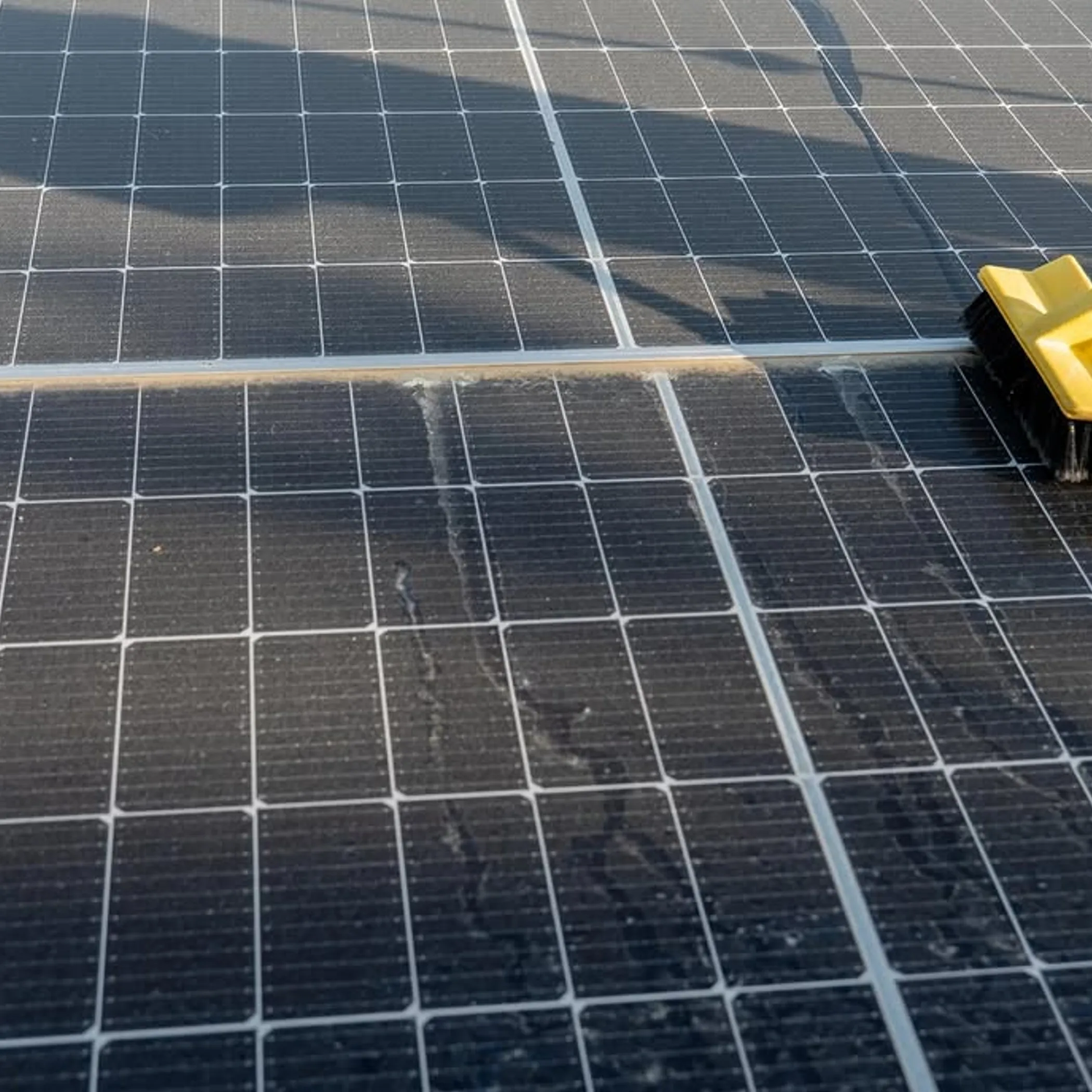
Condition is what determines the frequency for most Australian households. Inspect and monitor the output and clean when the contamination is hard to get at or impeding performance. Climates from temperate to arid will dictate different patterns.
Factor in the local climate, trees, roads, salt and the angle of the panel and roof. Then ensure your plan is one that is safe for the person by the ladder as well as your investment.
