For the majority of travellers, the shoulder season at Uluru is where you will find the right mix of booking flexibility, walking comfort, crowd control and weather. To have your days warm but not subject to the kind of heat summer puts on you, and to have mornings that are cool without any deep winter bite, one goes for the sweet spot of April to May or perfect Uluru travel months September to October. It is a better way to be outdoors and make time for it.
In brief, yes. Put more words to it and you would say that with Uluru timing is of greater consequence than is often thought. In the Red Centre an unfavourable stretch of weather can make a walk a sweat, a sunrise something to shiver through or an afternoon out in the open an exercise in endurance against the flies. Gideon Harrison has put in his years around travel schedules and seen how the hour of the day or the month of the year can alter the entire experience; his take is straightforward. These months are as good as it gets for a trip to Uluru if you want it to be memorable in the proper sense.
The Case for the Shoulder Months
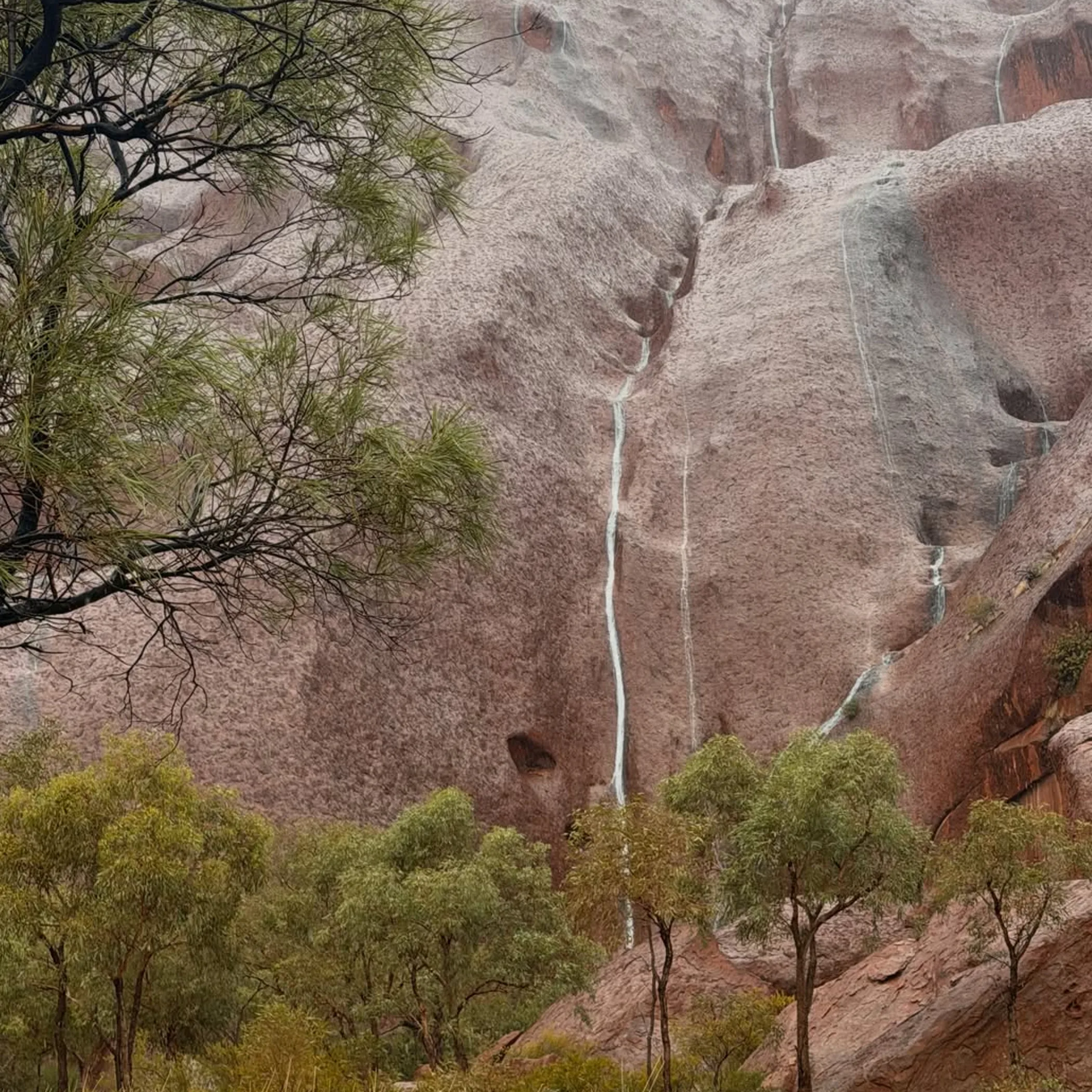
You can go to most of Australia’s icons whenever you like. Not so with Uluru. The seasons dictate the practicalities: your sleep, the patience you have left by lunch, how long you care to linger at a vantage point or how far you can put in on foot.
The window from April through to May and September to October is generally the most accommodating. A little planning is called for but you will not be inclined to call it quits on an activity because the heat is rough as guts and take refuge in the air conditioning.
To Be Direct
Shoulder season is the sensible reply when it comes to the best time for Uluru, namely April to May and September to October. You are looking at 20–30°C in the day, nights not as cold as in winter and less of a risk for a walk about Kata Tjuṯa and Uluru than in the height of summer.
Of course desert weather has its moods and not every day will fit the bill. Year on year there are variations. Still, these months have a way of combining value, access and comfort for most.
What Constitutes the Season
Some would have you believe “shoulder season” is a vague term for a period with no particular merits. At Uluru it is well defined, being early spring and late autumn. When Uluṟu-Kata Tjuṯa National Park is asked for advice on when to come for some decent walking, two blocks of months are put forward: April to May and then September to October.
April and May are done with the worst of the year’s heat. An evening meal outside is not going to be sticky. Come September or October and you have spring, more daylight and the desert puts on some colour. A September visit to Uluru is hard to beat for photography, tours and getting about.
Weather on the Ground
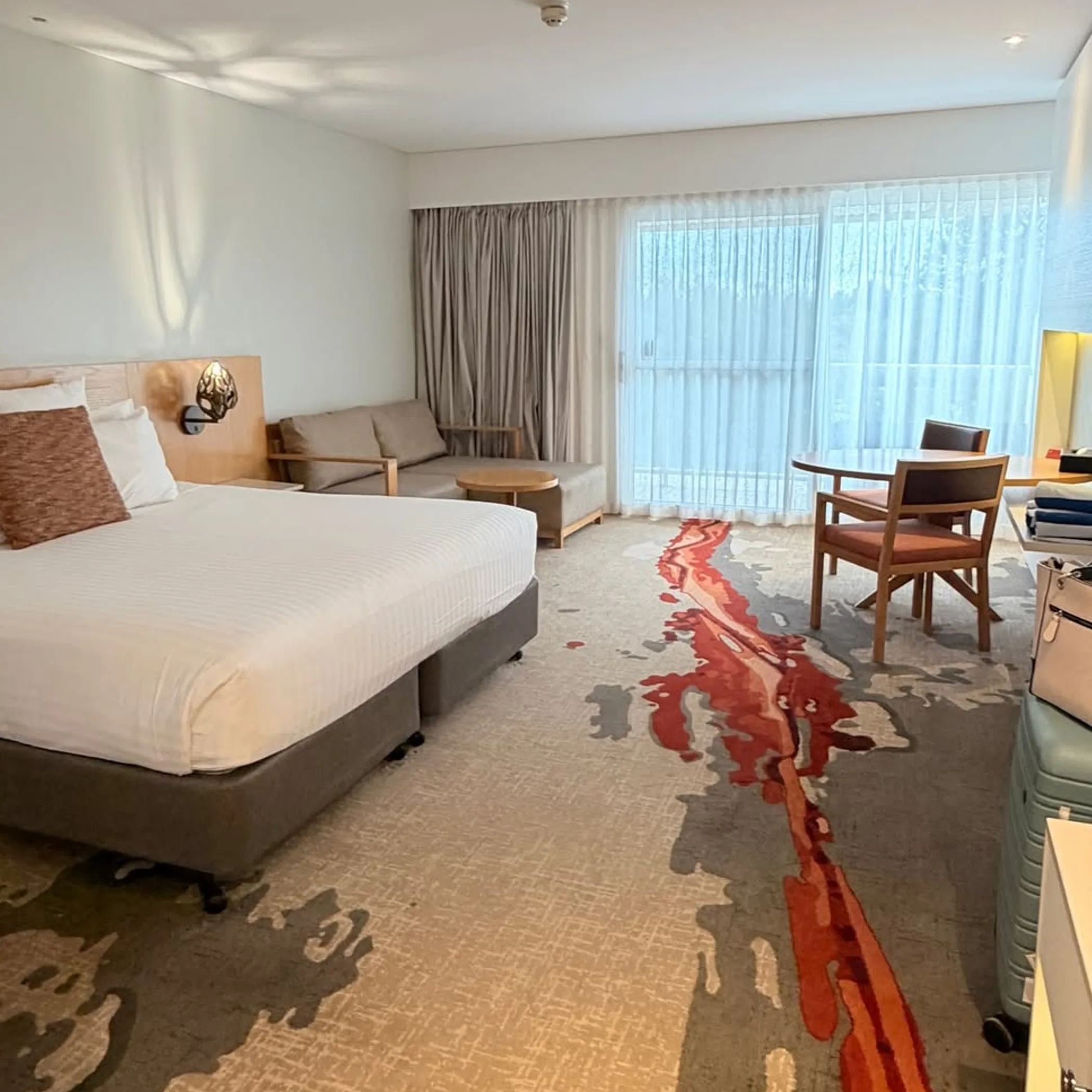
The forecast will give you figures but they do not convey what it is like out there. The desert climate has a habit of taking you unawares with its dry air and the temperature differential between day and night, the sharp sun and a dawn that is chilly beyond what a first timer might think.
Then again, in the Uluru weather shoulder season the weather is for the most part manageable. You are not going to feel the landscape putting you down before mid-morning while you are out for a walk.
Temperatures
One sees 20–30°C during the day in the shoulder months, with mornings to be had and nights that are milder than in winter but not as hot as summer does them. Safer for an afternoon excursion.
Do not be fooled by the dry heat though, it will dehydrate you in short order. I have been witness to the likes of 27 degrees and people in appropriate attire who an hour later are moving like wilted lettuce, having brought along a small bottle of water for what they thought was a city type of stroll and found little shade.
Reality Check
You may expect all day ease from the shoulder season. What you get is a dawn that is cold and a late morning sun that has a bite to it. To avoid being left to freeze at first light or roasting by the time lunch is served, make sure you pack for both ends of the day.
Then there is the wind, a frequent source of surprise. The open desert may look as flat as a pancake but the breeze has a way of putting an edge on a cool morning and drying one out quicker than you would put it.
How Crowds Affect Things
You are not going to have Uluru to yourself. As one of the best in Australia it is well known for that. Still “popular” is not the same as being packed in with sardines.
Uluru crowds shoulder season can still be healthy, say during school holidays or when the big tours are in town, but you will not find the same kind of frenzy as in the height of winter. You can expect less jostling in the viewing areas for sunrise and sunset, your shuttle will run smoother and the tracks are more likely to be quiet.
More Space
A case in point is the major viewing points and platforms at sunrise; in the shoulder season there is room to put down and get comfortable. One can listen to the quiet instead of the sound of tripods and snack wrappers.
At Kata Tjuṯa it is all the more welcome. There is nothing like the feeling of a walk when you are not in a slow procession of strangers with some road train from the Stuart Highway breathing down your neck.
Walking in Safer Conditions
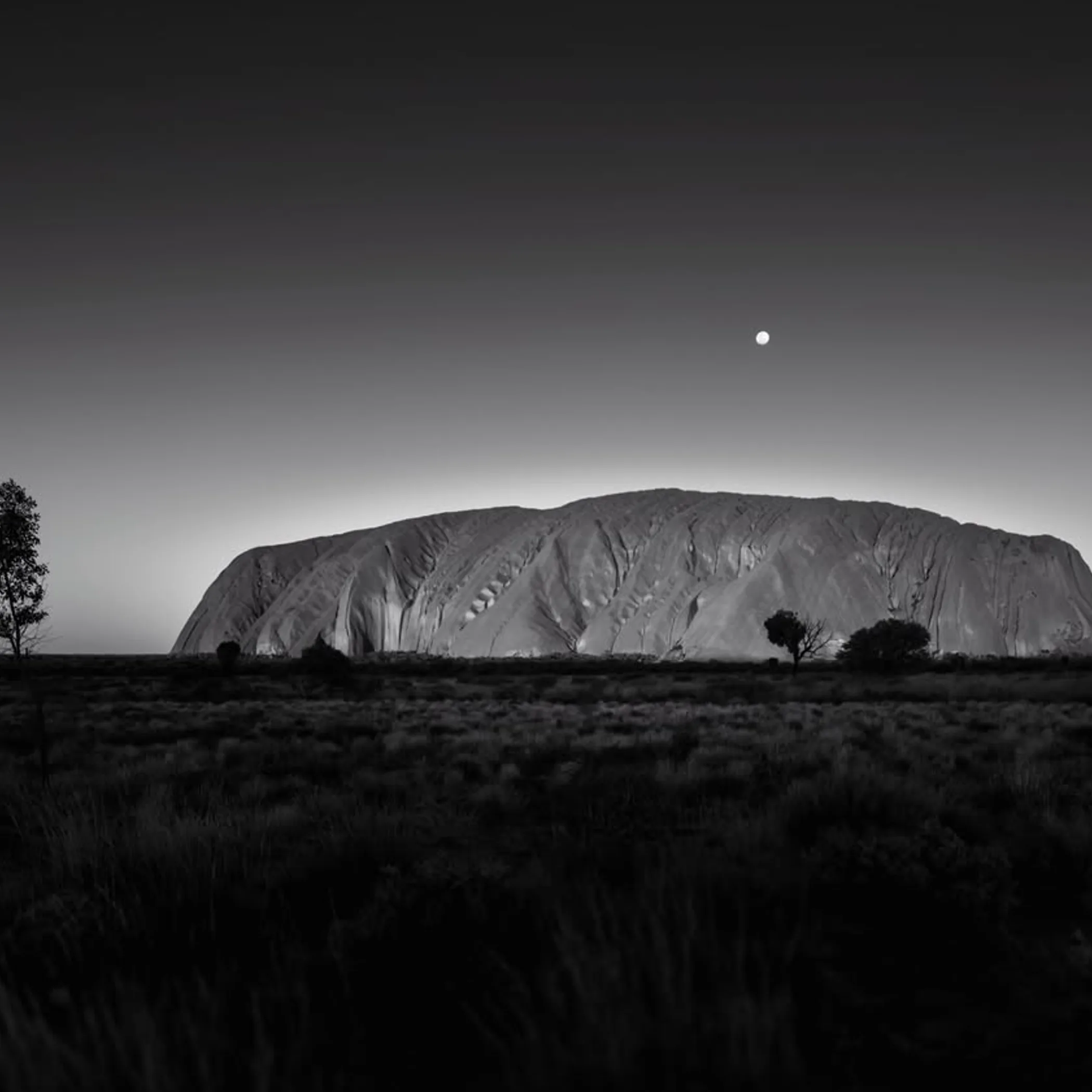
For this reason the shoulder season is not just a matter of comfort but safety. The heat in the Red Centre is no abstraction and the walks at Uluru and Kata Tjuṯa are more exposed to most visitors’ liking. With less of a chance of extreme temperatures, families and older folk, or anyone intent on more than a cursory photo op, will appreciate the practicality. Common sense and water are still required but the margin for error is improved.
Where It Makes a Difference
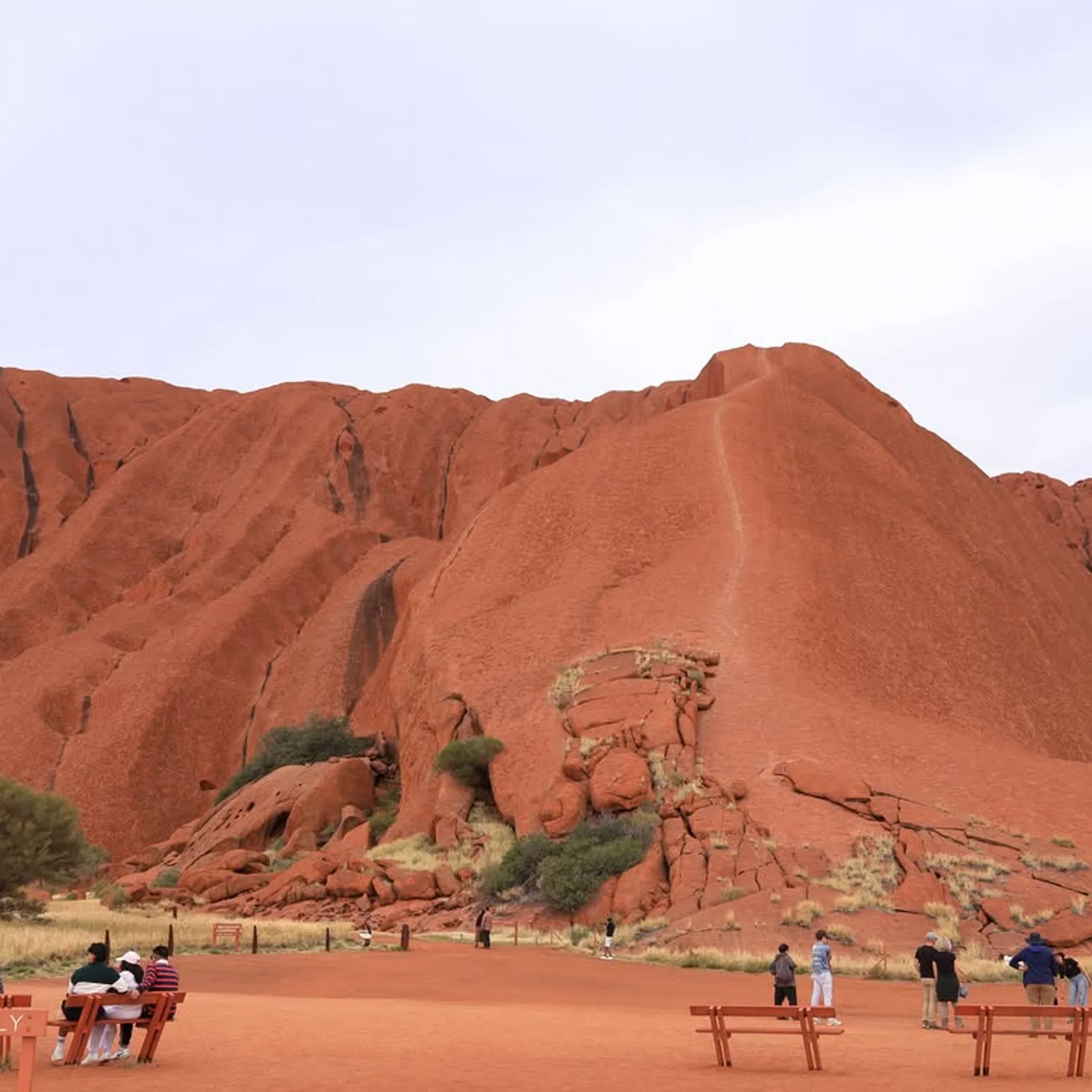
The Valley of the Winds at Kata Tjuṯa, the Mala and Kuniya and the full circuit of the base of Uluru are all more doable these months. How long it takes is up to your pace and the heat and where you want to stop for a picture, but you have a better prospect of seeing your plan through.
Take the Valley of the Winds for example. Most will tell you the published duration is what they should allow for their day. They are wrong. Factor in the steeper bits and changing conditions and views and you will need to put aside more time.
A Word on Safety
Before heading out, check the latest park conditions through Parks Australia’s Uluru-Kata Tjuta National Park information. Their advice to prepare for the extremes and to stick to marked tracks with plenty of water is pertinent in the warmer periods.
The Scenery
Uluru is viewed by some as a red rock and blue sky affair and that is that. But come a good month in the shoulder and the desert has a texture the brochures do not show. The light and wildlife will put in the work for you. It is not only a better walk and photograph, you get a feel for the place as a living part of Aṉangu culture rather than a mere landmark.
Wildlife and Flowers
After a rain in spring you can put in an appearance with the Uluru wildflowers and other desert wildflowers. No one will guarantee it to the week but you have better odds in the shoulder months than in the hard heat. And for the wildlife, the cooler hours are when you see the birds, or perhaps a Perentie with the sort of unimpressed air a reptile does so well.
Photography
The times for Uluru sunrise sunset times vary but if you can be up before dawn and out again late in the day the shoulder season will put in its dues. The contrast and texture on the domes of Kata Tjuṯa and Uluru are enhanced by the low angle of the light.
Do note that photography is off limits in certain culturally sensitive spots. Observe the signs and the park’s guidance. This is about respect and not some tourist affectation.
Value for Money
It is not invariably the cheapest option but the shoulder season has a way of being a sensible middle ground. You sidestep the pressure while having decent tour availability and agreeable conditions. Put price against comfort and you will often find it is the wiser choice, if not the bargain.
What You May Pay
One will find that the lowest prices for a trip to Uluru have more in common with the unrelenting heat of the less agreeable months than with the shoulder season. Put it this way: you can get a better rate but have to put up with it, in the form of fewer hours to walk about and a good likelihood of having to hole up inside to escape the elements.
Shoulder season is another matter. At Ayers Rock Resort rates are likely to be more reasonable, all things being equal (demand, the room you want, when school holidays fall). As for flights to Yulara, do not expect them to be inexpensive; remote Australia is not amenable to cheap logistics on a whim. Make allowance for a premium on your airfare, lodgings and meals.
| Factor | Shoulder Season | Peak Winter / High-Demand | Hotter Off-Peak |
| Day-to-day comfort | Moderate, some warmth | For the most part pleasant if mornings and nights are cold | Extreme heat at times |
| To go walking | Favourable | Good, provided you can stand the cold of dawn | Heat will put a crimp in it |
| Crowds | A moderate level | More so | Not as much |
| Value | The best balance overall | Higher cost | Cheaper, though you make concessions on comfort |
In the end the table settles the argument over when to visit Ayers Rock. There is no denying cheaper options, but they are not necessarily better.
Don’t Make A Mess Of Getting There
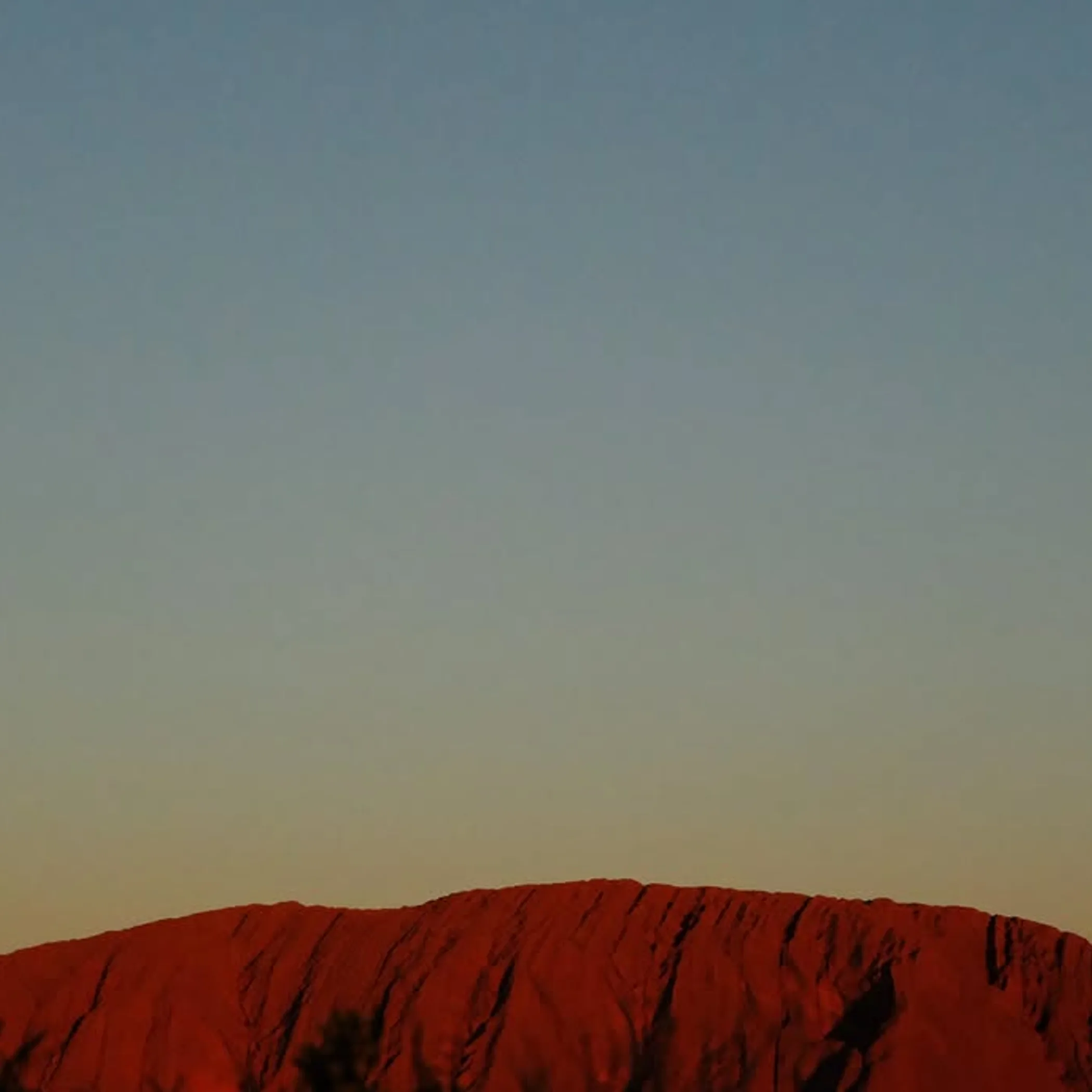
The whole appeal of Uluru is its remoteness, which is why the logistics are important. All too often people misjudge the drive and their own limits for covering distance, or they improvise and find out how quickly costs mount in the outback. Gideon Harrison would call it an elementary error in events planning: it is not the main attraction that spoils the day but the poor timing of everything else.
Transport
For the majority, the way to go is by plane to Yulara, the service centre for Uluru, or the long haul by car down the Stuart and Lasseter Highways. You can be flexible driving yourself but it requires more in the way of preparation to see off the fatigue and plan for fuel and provisions.
Parking is no problem at the principal sites unless it is one of the busier times and you are after a spot for sunrise or sunset. When self-driving, put in some buffer time and leave the fantasy of perfect roads and no stops at home. Out in the desert the glare and wildlife will take their toll before you know it.
Making The Most Of A Day
With little time to spare, stick to a cultural stop and one of the sunrises or sunsets, perhaps the Mala Walk or part of the base walk. Any attempt to fit in Uluru and a proper day at Kata Tjuṯa in one go will amount to nothing but a lot of driving.
What To Pack
Do not let the shoulder months lull you into a false sense of security. A fine day at Uluru still requires you to be properly kitted out with water and the right clothes. Leave the fashion statements and one thin layer at home.
It is the range that gets you. After a cool morning and warm midday the breeze at sunset will have you thankful for something to put on. On an exposed walk take more water than you would think sensible. Hat, sunscreen and a pair of good shoes are a must. And if fly season is upon you and you are prone to irritation, a net is worth packing. Book any tours of note well in advance of school holidays or when there is an event on.
A Two-Day Itinerary
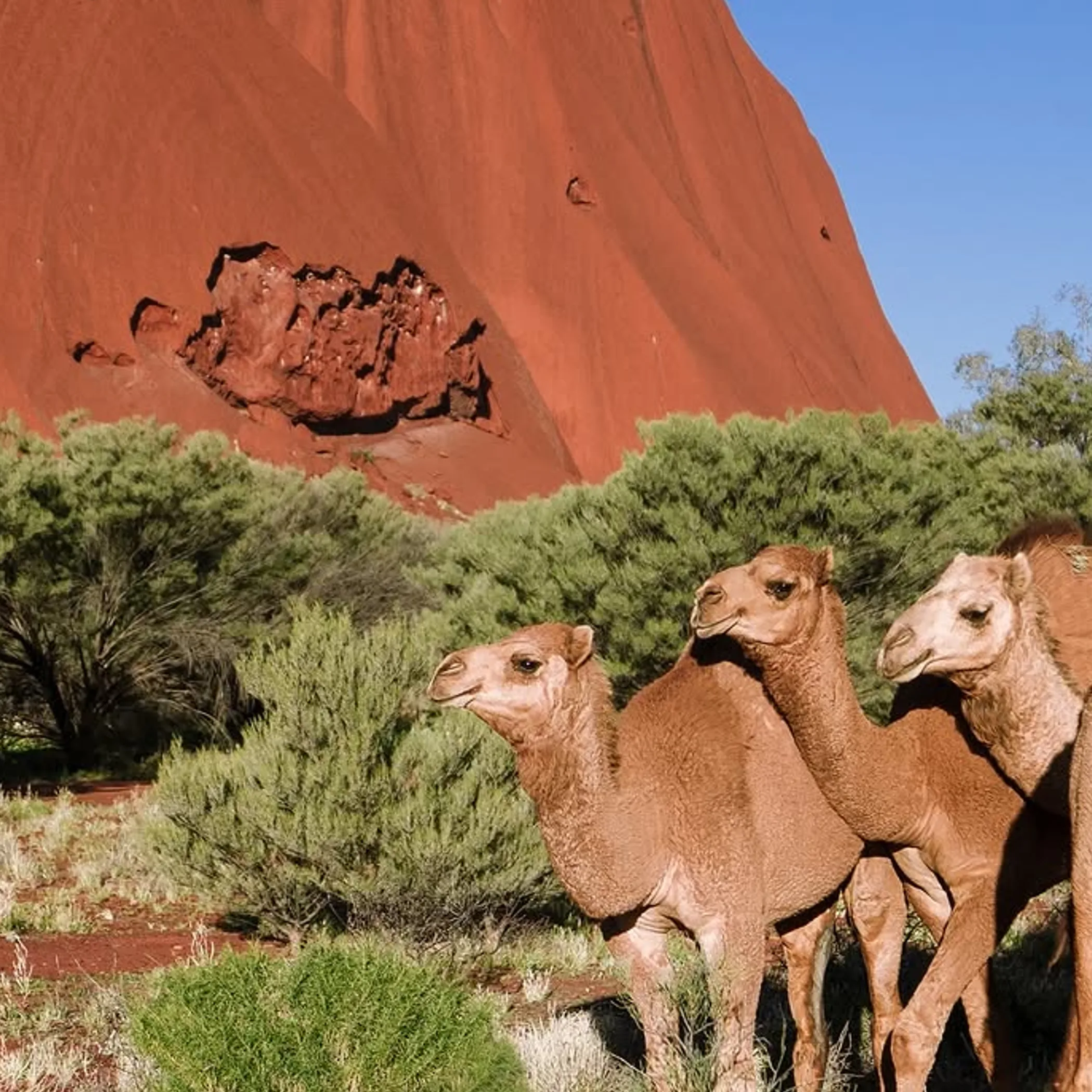
Extra time is a help but a week is hardly necessary to make the most of the shoulder season. With two days you can cover both Kata Tjuṯa and Uluru without feeling like you are ticking boxes in your hiking boots. A three day stay is preferable for those in the mood for a more leisurely morning, some culture and to put in for weather changes. You will have room to do some stargazing at Uluru as well, an experience that is all the better for not having been run ragged by an attempt to see it all in one go.
Short Itinerary in Practice
- Day 1: Make your way to Yulara and get settled. A trip to the Cultural Centre followed by a brief section of the Uluru walk in the late afternoon and then to watch the sunset.
- Day 2: An early outing to Kata Tjuṯa and a walk of it that the conditions allow; after some rest in the middle of the day you can head back for dinner or to view Uluru from a different vantage point.
- Day 3: See the sunrise and put in a guided tour or any base walk you have left before you leave.
Shoulder season is fine even if you are no great walker, but be sensible about it and opt for the shorter sections; there is no need to think your city step count will translate to desert endurance. Those with families or making their first foray into the outback are best served by an early start and a slower pace, perhaps one main event to the half-day.
The Best Suited to This Schedule
One could make a case for shoulder season being ideal for the older traveller, photographers, walkers and first-timers who would like a Red Centre trip of a more comfortable and sedate nature. It is a sound option for anyone with an interest in the landscape and its culture beyond the famous rock.
Then again, if the lowest price is what you are after, this timing is not so good since the hotter months will have you underbid. But generally speaking, the person inquiring as to when to visit Uluru is not in search of the cheapest bed, they want the best of a trip.
Some Travel Advice
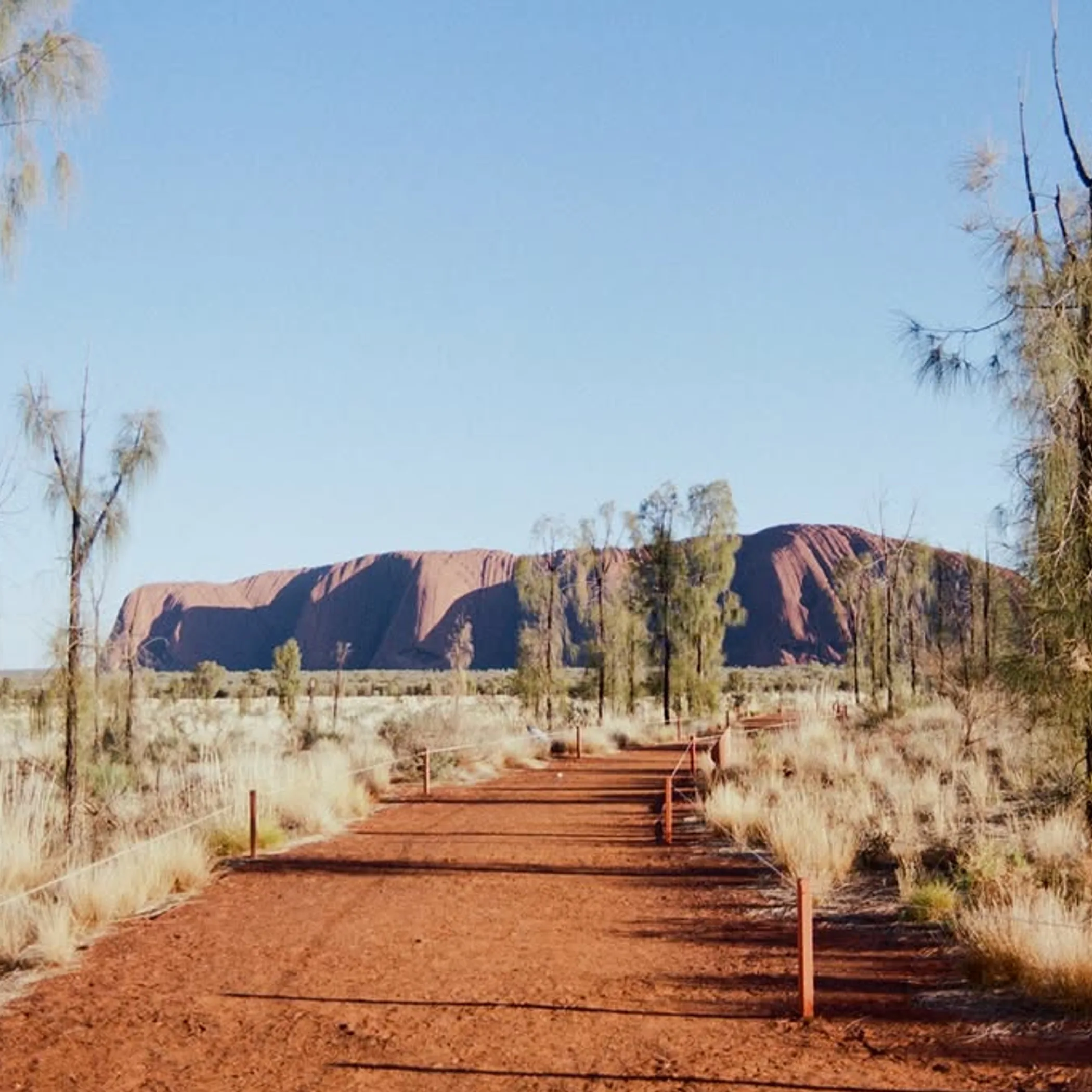
To put it plainly, the Uluru shoulder season is where the smart money is. From April through May and September to October you get a fair measure of access and walking conditions without the heat, and a less harried time in such an important part of Australia. The resort area at Yulara and the national park of Uluṟu-Kata Tjuṯa (Ayers Rock) are subject to the seasons, yet the shoulder months make for an easier enjoyment of the whole affair. Not the cheapest nor empty and perfection is not to be had every day, but it is better balanced, which in travel is often what counts.
FAQ
You will find these are the most common queries ahead of a booking, and rightly so. It is a remote place and conditions are everything, one does not want to show up unprepared.
What Is The Best Season?
Shoulder season for the majority of travellers. April to May and September to October give you a better balance than the peak summer and are more comfortable for walking.
When Should One Steer Clear?
The hottest of the summer months are difficult if you have trouble with the heat. Daytime temperatures can be extreme, making sightseeing unsafe or at best unpleasant. Some will go for the price, but comfort is at a premium.
Why Are There Restrictions On Photographing Uluru?
You can photograph many areas, but not all. Some sections are culturally sensitive and photography is restricted out of respect for Aṉangu culture and Tjukurpa. Always obey signage and park guidance.
Is September Recommended?
It is a strong choice. Good walking and warm but not oppressive weather, spring scenery and you can rely on the tours being available.
Do Shoulder Months Come In At The Bottom Price?
Not as a rule. You will find the rock bottom rates in the tougher, hotter times. Shoulder months are more of a value proposition.
