There is a marked increase in the cost of roof repairs in Australia this year. Hail, high winds and torrential rain have all but guaranteed a demand for good tradesmen. One might put down a couple of hundred for a leak, but a full replacement or damage that is hard to get at will run to tens of thousands.
Gideon Harrison has put together this guide to set out what can be expected in 2026 from a practical Australian perspective; these are not fixed tariffs. It covers price ranges, the ins and outs of a storm roof repairs insurance claim in Australia and the factors that go into a quote, as well as what one should do prior to the roofer’s arrival. In the end the final figure is a matter of location, materials, roof size and how bad the storm was.
The Extra Expense of Storm Work
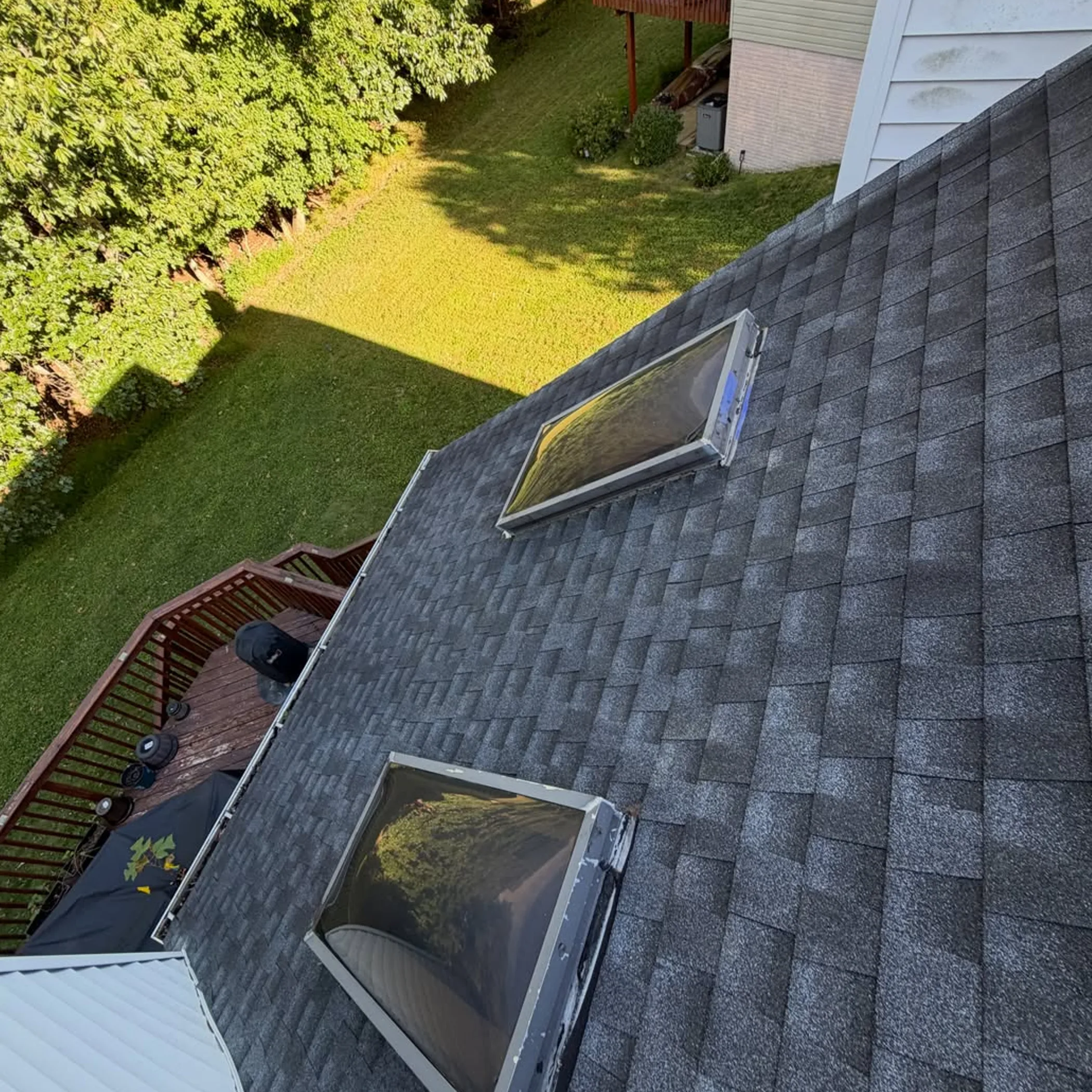
A storm is a double whammy: it does its damage and then there are not enough roofers to go round. If a whole suburb is calling for make-safe repairs and emergency tarping, waiting times and call-out fees will escalate with the speed of a mozzie by a campsite light. Then there is construction inflation to contend with on everything from labour and transport to the administration of insurance and the materials themselves. For more information on coastal roof storm damage, see this guide. For official warnings and a record of recent weather before you put in a claim or book work, the Bureau of Meteorology is where to look.
What is behind the higher prices?
For one, there is a lack of labour. A certified roofer will put first priority on a property that is actively leaking or hazardous, leaving non-essential jobs to wait their turn for days or weeks. Out in the regions, expect the quote to include freight, fuel, accommodation and the time it takes to get there.
Shortages in metal sheeting, valley iron, flashing, tiles and gutters are also felt in places like the Pilbara, northern Queensland, Tasmania and parts of regional NSW where the supply chain and long distance freight add to the cost. And if salt has been at work on the fasteners and sheeting on a coastal roof, the storm may be the catalyst but the age and upkeep of the roof is part of the equation. Supply shortages of essential materials like metal sheeting and tiles continue to drive up costs, as detailed in this regional supply chain report.
Storm Prices in Australia
You would like a single figure, but roofing is not so simple. A loose tile and a caved in portion of roof are both “storm damage” yet they are worlds apart in terms of price.
The following table offers some broad 2026 planning figures in Australian dollars for standard residential work in normal hours. Do enquire whether GST is in the quote before making comparisons.
| Work Type | Typical 2026 Range | What Usually Affects Price |
|---|---|---|
| Roof inspection | $150–$400 | Size of roof, need for a written report or moisture testing, access |
| Roofing call-out | $150–$350 | How far away, local demand, urgency and time of day |
| Emergency tarping | $300–$1,200 | Wind, pitch, height and safe access to the roof |
| Minor tile repair | $250–$900 | Matching the material, ridge access and quantity of tiles |
| Metal roof repair | $500–$2,500 | Sheets, fixings, any corrosion or penetrations |
| Leak investigation and repair | $350–$1,500 | Where the water is getting in and any internal damage |
| Major storm repair | $2,000–$10,000+ | Scaffolding, several roof planes, structural issues |
| Full roof replacement | $15,000–$45,000+ | Design, insulation, disposal and the size of the home |
Consider them guide prices. A single-storey three-bedroomer with an unremarkable roof will be towards the bottom of the range for a replacement. Make it a steep multi-level house with solar panels and damaged timbers and restricted driveway access and the cost will be much higher.
Tarping and the Emergency Call-Out
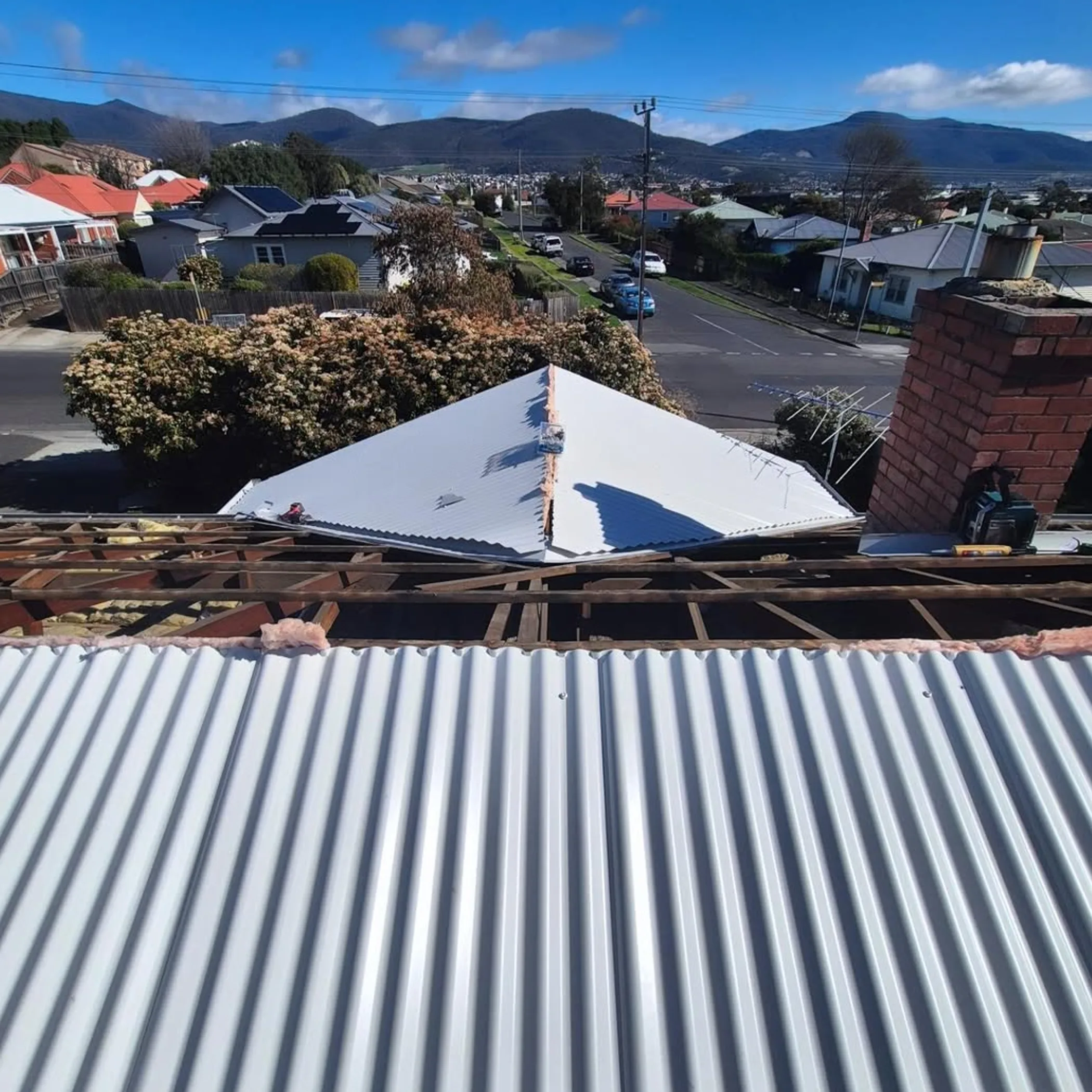
An emergency call-out is the first thing to hit the wallet of an Australian homeowner. Many firms will levy a fee just for the roofer to come out and put a stop to water entering the building and assess the risk, quite apart from the actual repair.
Put up a tarp and you have a temporary safety measure for your ceilings, electricals and furniture while the insurer makes his assessment or you are waiting on materials. It is no magic cape though, and a strong wind can render the job of putting it up unsafe.
When Urgency Changes The Bill
If the roofer has to work after hours or on a public holiday, or the weather is treacherous, the bill will reflect that. Some will not put a man on a wet or unstable roof and rightly so, no matter the inconvenience. Should you see water making its way to the electrical meter, a switch or light fitting, for safety’s sake cut the power in that area and put in a call to an electrician with the proper licence.
Prior to the phone call, get some photos of the scene from ground level, put a container to catch any drips and clear valuables from the vicinity of the leak. After a bout of high winds or hail one should not be on the roof; between the risk of a slip, compromised structure and live wiring you could easily make a repair job an occasion for an ambulance.
Minor Repairs And Leak Sources
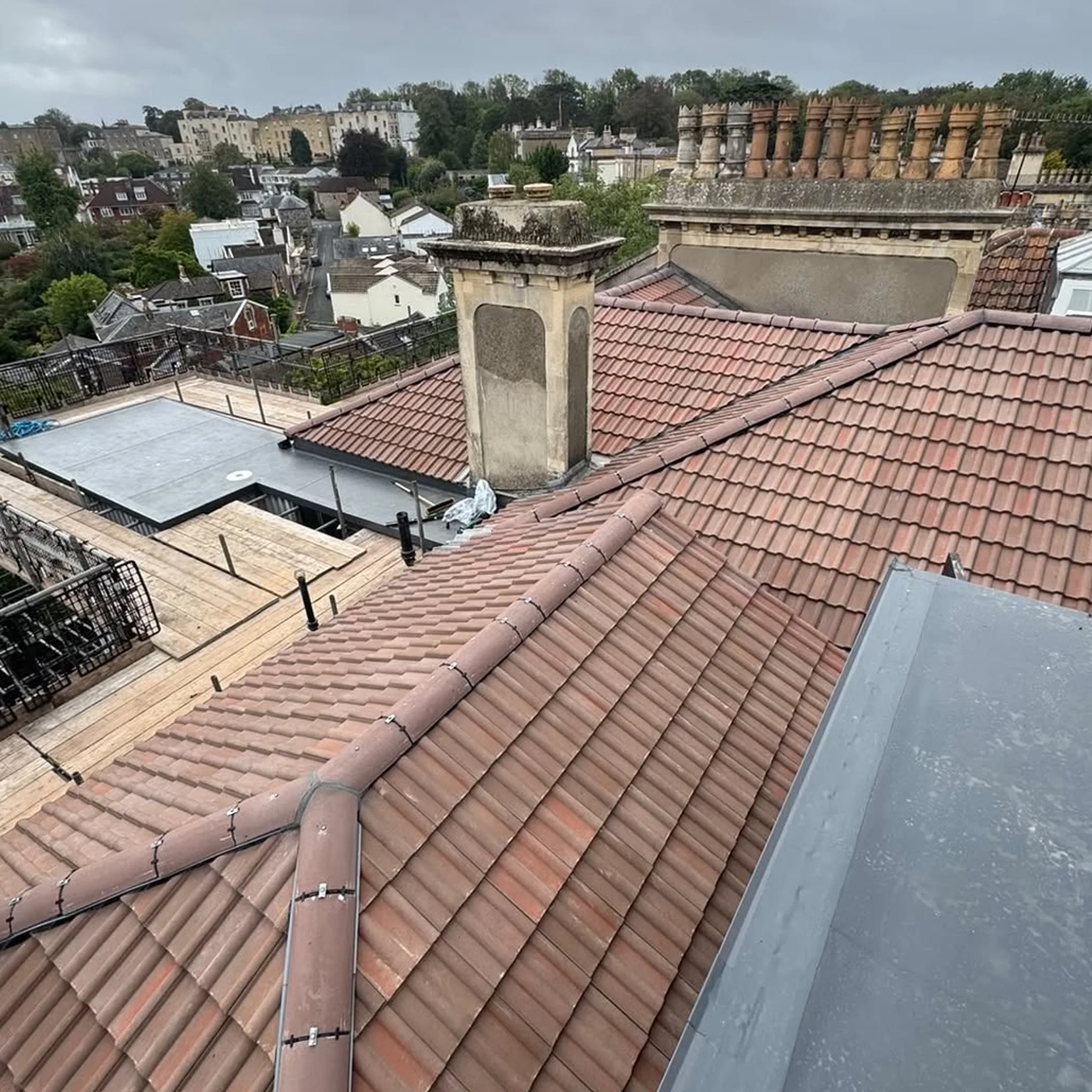
For Australian homeowners the tab for mending minor storm damage to a roof is frequently made up of things like cracked tiles, ridge caps out of place, loose fasteners, a blockage in the valleys or a faulty vent or flashing. Do not be fooled by what is visible inside the house as it may not be directly over where the water is getting in; it has a habit of running along the sarking, timber and insulation to show up in the ceiling.
An investigation into a leak ought to cover the gutters, downpipes, penetrations and the internal roof space as well as the surface. It is cheaper in the long run to pay for a thorough inspection than to keep sealing the wrong spot. One does not have to be told twice after enough household mishaps that the most economical first fix will not necessarily prove so at the end of the day.
Tiles, Flashing And Fasteners
Labour and access included, putting in a few standard roof tiles runs about $250-$900. You will be looking at more for older or hard to match profiles. If the roofer finds the neighbouring tiles have shifted or are brittle he will want to replace a good part of them.
The location will dictate the price of a flashing repair, say $400 to $1,500; chimneys, wall junctions, skylights and valleys all require a deft hand. In 2026 a homeowner in NSW can expect to be quoted in the region of $500 to $2,500 for localised metal roof work, more so if there is rusted framing or sheets and insulation to come out.
Then there is the matter of roof leak repair in NSW in 2026. If the water has got to the plasterboard, paint, insulation or electrics the cost will be higher. Since roofing and internal restoration are separate trades, make sure the quote is inclusive of both.
Major Repairs And Replacement
When a storm has done its worst, repairs go beyond a change of surface materials. A truss or rafter may be broken by a branch, or the hail has taken out large areas of the roof. The contractor will be bringing in scaffolding, a skip-bin and temporary propping.
Do not think a storm gives you carte blanche for a new roof. An insurer might look at whether a repair is worth the money if the roof is coming to the end of itself, but it is the policy and the rules of the locality that have the final say.
Replacement Cost Factors
$15,000 to in excess of $45,000 is the sort of figure Australia homeowners will be seeing for a replacement in 2026. A modest single-storey with a basic metal roof is less of an outlay. Add in solar, insulation, complex hips and valleys and extensive disposal on a bigger home and the price goes up.
Colorbond is much favoured for being readily available and light, in a variety of colours and profiles, but it is no shield against dents or bad installation. Close to the sea one needs to be particular about coastal-grade specs and edge details. With tile you have heavy handling and structural checks to contend with. Metal sheeting is quicker to put in but the quality of the workmanship and the design of the roof will tell in the end; no amount of cheap material makes up for poor detailing.
Regional Prices And Weather
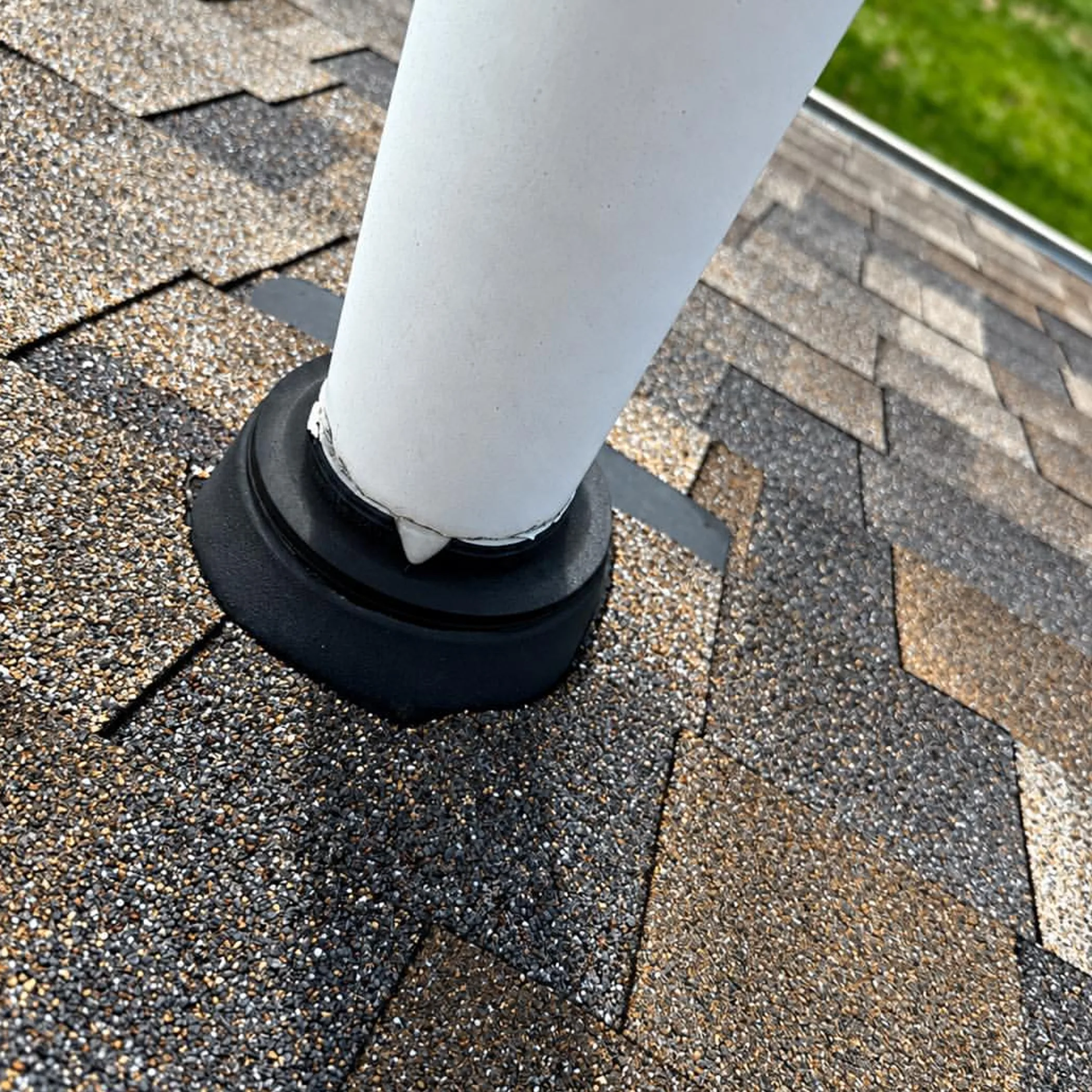
In Victoria 2026 the costs put forward to a homeowner in an alpine town or regional centre will not be the same as in Geelong or Melbourne. Severe cells can put up demand in places prone to hail, and in the remoter parts freight and travel add to the bill.
It is the same story in NSW. Multi-storey homes and the parking restrictions of Sydney mean more time on the labour side. The north has its cyclone alerts from November through April which sees a spike in emergency calls.
You cannot ignore the season. Summer heat is hazardous on a roof mid-day, wet weather puts off an inspection, and in Tasmania cold and wind will restrict safe access. Up in the Top End the wet season is apt to put a stop to work time and again. Any sensible schedule will allow for the weather and not just the dates on the calendar.
Insurance Claims After Storms
Policies in Australia will generally stand behind you for sudden storm damage to the roof but the fine print of your policy, any exclusions and the evidence at hand will decide the matter. The Insurance Council of Australia is an industry guide, but in the end it is your Product Disclosure Statement and the claim decision of the insurer that count.
There is a common misconception: to forestall more damage, one should not be waiting on an assessor. Insurers are of the opinion that you will take sensible emergency measures, be it to put up a tarp, stem the flow of water or put your possessions in a better place, as long as it can be done with safety. Make sure to put away any receipts and have photos, video, roofer notes and dates to hand.
A Claim to Protect
If there is no imminent danger to persons from the roof, do not give the go ahead for a full replacement without first talking to the insurer. Find out if they would like to put forward a builder or one of their preferred suppliers, or if they will sanction the certified roofers of your choosing. Inquire as to what temporary work is covered and its impact on your excess.
- Put on record the date of the storm, what damage is evident, any water inside and the steps taken to contain it.
- When you get a quote, have it itemised so you can see the cost of make-safe repairs, the investigation, labour, materials and internal restoration as separate line items.
- See if GST, disposal, permits, engineering, electrical and scaffolding are part of the figure.
- Damaged materials should be left in place where one can, but nothing that is a hazard should be kept.
Then there are maintenance disputes which are trying. An insurer might make a distinction between rust, a gutter left to its own devices or sealant failure and the ravages of a sudden storm. The claim is not thereby rejected in its entirety, though some parts may not be put through.
The Right Way to Look at Roofing Quotes
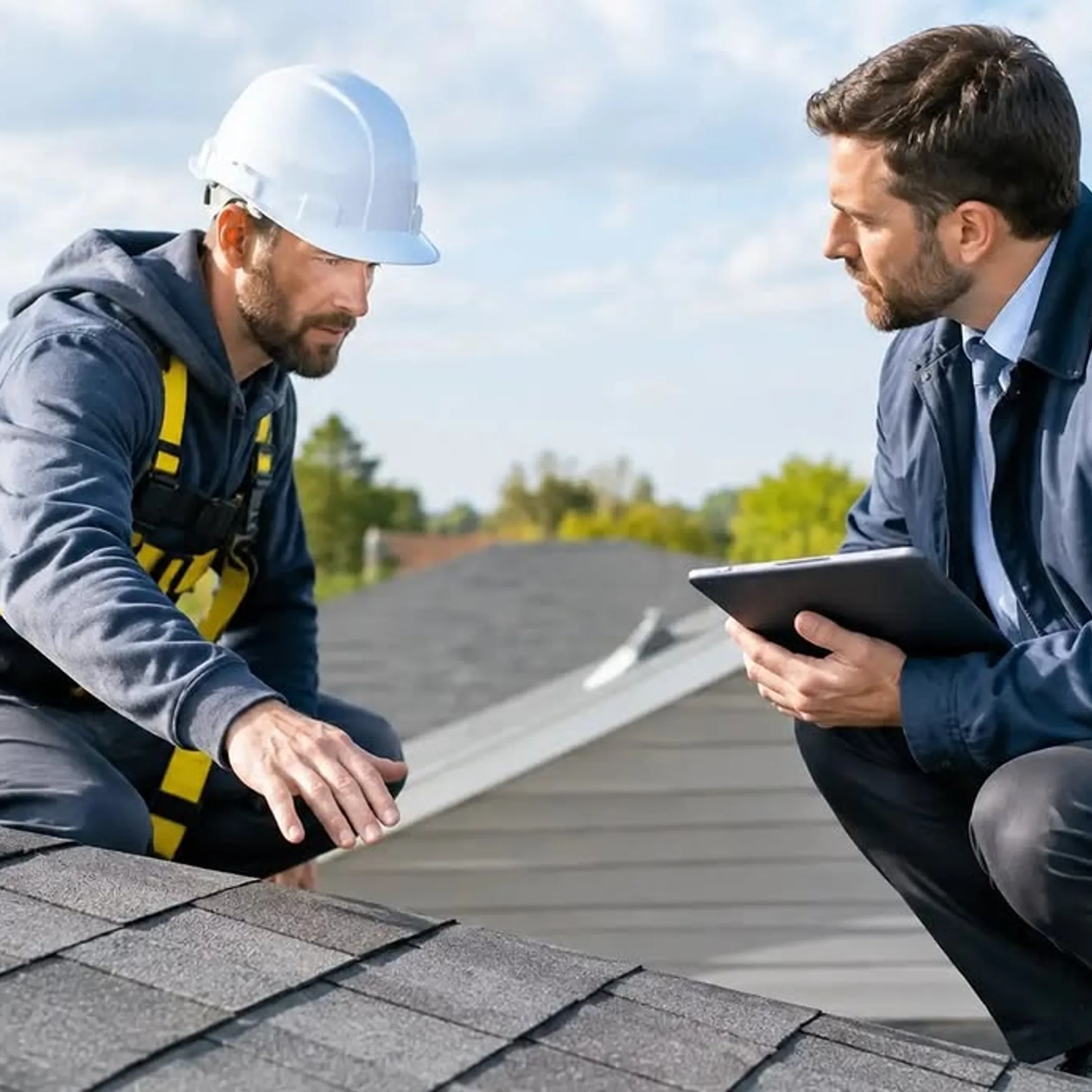
Do not be seduced by the bold number at the bottom of the page for the cheapest option; when all of suburbia is after the same three roofers it is not always the best. You want to compare the warranty, start date, safety controls and the like.
It is a serious job so the paperwork should not be rough as guts. A contractor’s quote that simply says “repair as required” is too open to dispute down the track. Check he has the state licences and public liability insurance and will supply written photographs.
Questions to Put Before Approving
You need to know who is doing the work and for how long the make-safe phase will run, and if the contractor will be back following a good rain. What of hidden damage? Are variations subject to your written consent? And if a boom lift or traffic control is in the offing, those costs should be made plain before anything is started.
Timing is also a matter of access. See that the driveway is free of vehicles and side gates unlocked, pets put away and the source of the leak within the house pointed out. A narrow street means parking or deliveries could impede progress; out in the country one wants a proper track and room to turn a truck or trailer.
Ways to Keep Repair Bills Down
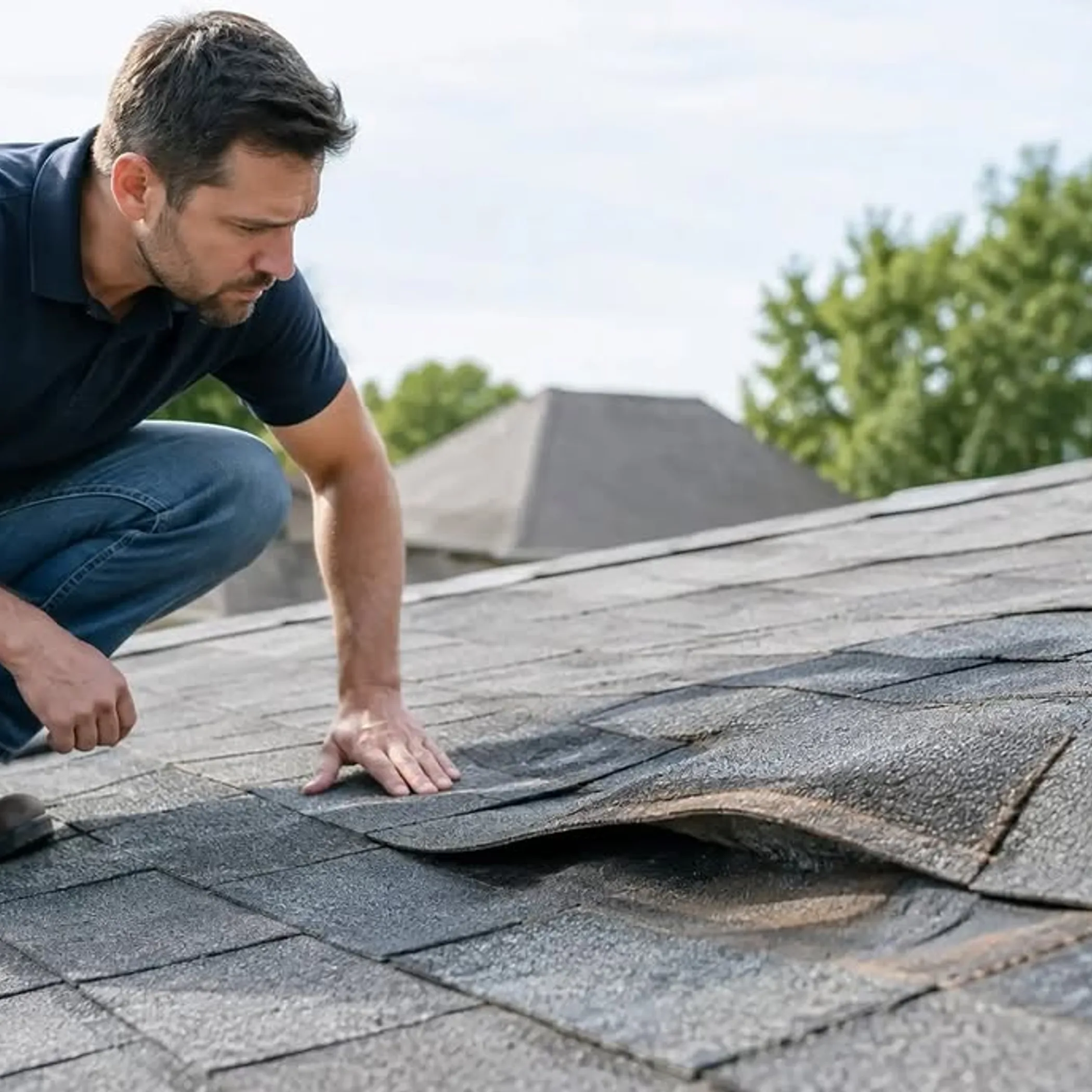
One cannot prevent a hailstorm but some forethought will lessen the bill. Have the roof looked at after bad weather and prior to the riskier months of the year. Do your gutters and trim back branches in a safe manner, put in new fasteners or sealants that are clearly perished.
Have the roofer tell you if cyclone fixings, more ventilation or superior flashing is called for. A dated log of your repairs is useful in making an insurance discussion less of an ordeal and separating the old maintenance from fresh storm damage.
- While the roof and its valleys, penetrations and ceiling spaces are still in order, photograph them.
- Your policy and excess information along with contact details for the roofer and old invoices should be in one place.
- Start with a ground level inspection in the wake of a storm and put in place safe professional access.
- Put up some temporary protection without delay, after which you should have an itemised plan for permanent repairs in hand.
- When the next rain comes, be sure to look over the work that has been done; retain the warranty and final invoice as well.
Make safety your first order of business if time is of the essence, along with water control, photographs and putting the insurer on notice. There is no point in devoting the day to deciding on a decorative roofing colour when water is running into a light fitting. And for the DIY novice, this is not a job to be had if ladders or heights are an issue, or one is at a loss to spot structural damage.
Frequently Asked Questions
Homeowners will put these questions forward once a storm has made of the roof the priciest percussion instrument in the house. While the answers here are meant to be practical, in the end your insurer and what the state demands are the authority.
What Are The Roofing Trends For 2026?
One will see an emphasis on more thorough storm preparation, corrosion-resistant fixings, insulation and ventilation of a better quality, and durable metal sheeting. Colorbond is still much in vogue though whether it is right for the product is a matter of climate, design, exposure and what the installer says. Do not think a trend equates to performance.
Is $30,000 Too Much For A Roof?
It can be justified. On a full replacement of any size or complexity where you factor in good materials, scaffolding, disposal, hard to get to areas and so on, $30,000 is not unreasonable. For a small roof with little damage it might be. Put the area, labour, inclusions and warranty side by side with the material specification before you pass judgement on the figure.
What Is The Typical Cost Of Replacing A Roof In Australia?
For 2026 planning purposes a range of $15,000 to $45,000 and up is typical. You may find a three-bedroomer with an unproblematic roof under the midpoint, a large property will go over it. Get two or more detailed quotes where it is safe to do and see if GST and other trades are part of the sum.
What Is The Best Time Of Year For Roof Replacement?
Some states will have an ideal month but generally one looks for settled weather and less rain to make roof access safer. It is best to steer clear of the wet season or cyclone risk and long stretches of severe heat. Then again a damaged roof does not always allow you to wait for conditions to be right, so there may be a need for temporary measures.
Do Insurers Pay Every Storm Repair Bill?
They do not. A policy will respond to a sudden insured event but not to gradual leaks, pre-existing damage or poor upkeep. Give the insurer prompt notice and evidence and heed their emergency instructions. But do not take for granted you have the go ahead until you have the claim scope in writing.
Plan Before The Next Storm
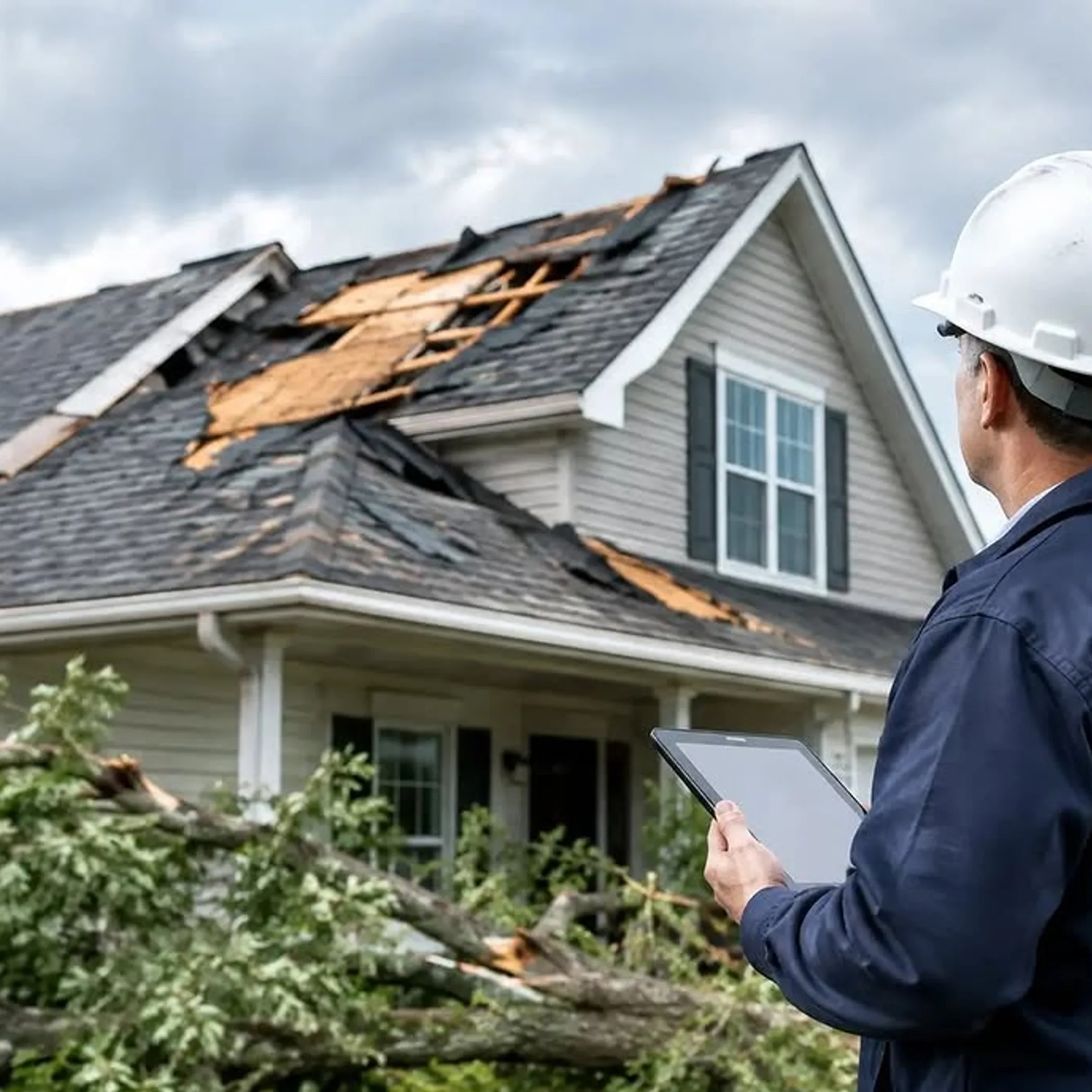
With the higher costs of construction, freight, materials and labour, storms put an urgency on demand and the cost of roof repair for Australian homeowners in 2026 is on the increase. A full replacement or hidden leak can put you in five figures in short order even if minor work is still within reach.
An itemised quote is something to ask for. Be safe and document the process. A good inspection and make-safe work and talking to your insurer in plain terms will not put a smile on your face about the storm damage, but it can prevent a bad day from turning into an expensive one.
